Your joints ache after workouts. Your energy crashes every afternoon. That nagging brain fog just won't clear up.
Sound familiar? These could all be signs of chronic inflammation - and the good news is that what you eat can make a huge difference.
I've put together a complete 7-day anti-inflammatory meal plan that's actually doable. No weird ingredients you can't pronounce, no spending your entire paycheck at Whole Foods. Just real food that fights inflammation and tastes great.
What Makes a Diet Anti-Inflammatory?
Before we jump into the meal plan, you need to know what you're working with. Anti-inflammatory foods contain compounds that actively reduce inflammation markers in your body.
Think of inflammation like a fire in your body. Some foods are like gasoline - they make the fire bigger. Others are like water - they help put it out.
The inflammation fighters include:
- Omega-3 fatty acids (salmon, walnuts, flax seeds)
- Antioxidants (berries, dark leafy greens, colorful vegetables)
- Polyphenols (olive oil, green tea, dark chocolate)
- Fiber (beans, oats, vegetables)
The inflammation starters you want to avoid:
- Refined sugars and high fructose corn syrup
- Processed meats like hot dogs and deli meat
- Refined carbs (white bread, pastries, sugary cereals)
- Trans fats and excessive omega-6 oils
The Mediterranean diet is probably the most studied anti-inflammatory eating pattern. It's heavy on fish, olive oil, vegetables, and whole grains - all inflammation fighters.
Your 7-Day Anti-Inflammatory Meal Plan
Here's exactly what to eat each day. I've included prep tips and simple swaps if you don't like certain foods.
Day 1: Monday
Breakfast: Overnight oats with blueberries, walnuts, and cinnamon
- 1/2 cup rolled oats
- 1/2 cup unsweetened almond milk
- 1 tbsp chia seeds
- 1/2 cup fresh blueberries
- 1/4 cup chopped walnuts
- Dash of cinnamon
Lunch: Spinach salad with grilled salmon
- 3 cups fresh spinach
- 4 oz grilled salmon
- 1/4 avocado, sliced
- 1/4 cup cherry tomatoes
- 2 tbsp olive oil and lemon dressing
Dinner: Turmeric chicken with roasted vegetables
- 4 oz chicken breast seasoned with turmeric, garlic, and black pepper
- 1 cup roasted broccoli and bell peppers
- 1/2 cup quinoa
Snack: Green tea and a small handful of almonds
Day 2: Tuesday
Breakfast: Smoothie bowl with anti-inflammatory powerhouses
- 1 cup spinach (you won't taste it, promise)
- 1/2 banana
- 1/2 cup frozen pineapple
- 1 tbsp ground flaxseed
- 1/2 cup coconut milk
- Top with hemp seeds and fresh berries
Lunch: Lentil soup with a side of mixed greens
- 1.5 cups homemade or low-sodium lentil soup
- Small mixed green salad with olive oil dressing
Dinner: Baked cod with sweet potato
- 4 oz baked cod with herbs
- 1 medium roasted sweet potato
- Steamed asparagus with garlic
Snack: Sliced apple with almond butter
Day 3: Wednesday
Breakfast: Greek yogurt parfait
- 3/4 cup plain Greek yogurt
- 1/2 cup mixed berries
- 2 tbsp ground flaxseed
- 1 tbsp raw honey
- Sprinkle of cinnamon
Lunch: Mediterranean wrap
- Whole grain tortilla
- Hummus spread
- Grilled chicken strips
- Cucumber, tomato, red onion
- Mixed greens
- Feta cheese crumbles
Dinner: Sheet pan salmon with vegetables
- 4 oz salmon fillet
- Brussels sprouts, carrots, and red onion
- Everything drizzled with olive oil and herbs
Snack: Herbal tea with a few squares of dark chocolate (70% cacao or higher)
Day 4: Thursday
Breakfast: Avocado toast with anti-inflammatory twist
- 2 slices whole grain bread
- 1 mashed avocado
- Cherry tomatoes
- Hemp seeds
- Pinch of turmeric and black pepper
Lunch: Quinoa Buddha bowl
- 1/2 cup cooked quinoa
- Roasted chickpeas
- Shredded purple cabbage
- Grated carrots
- Tahini dressing
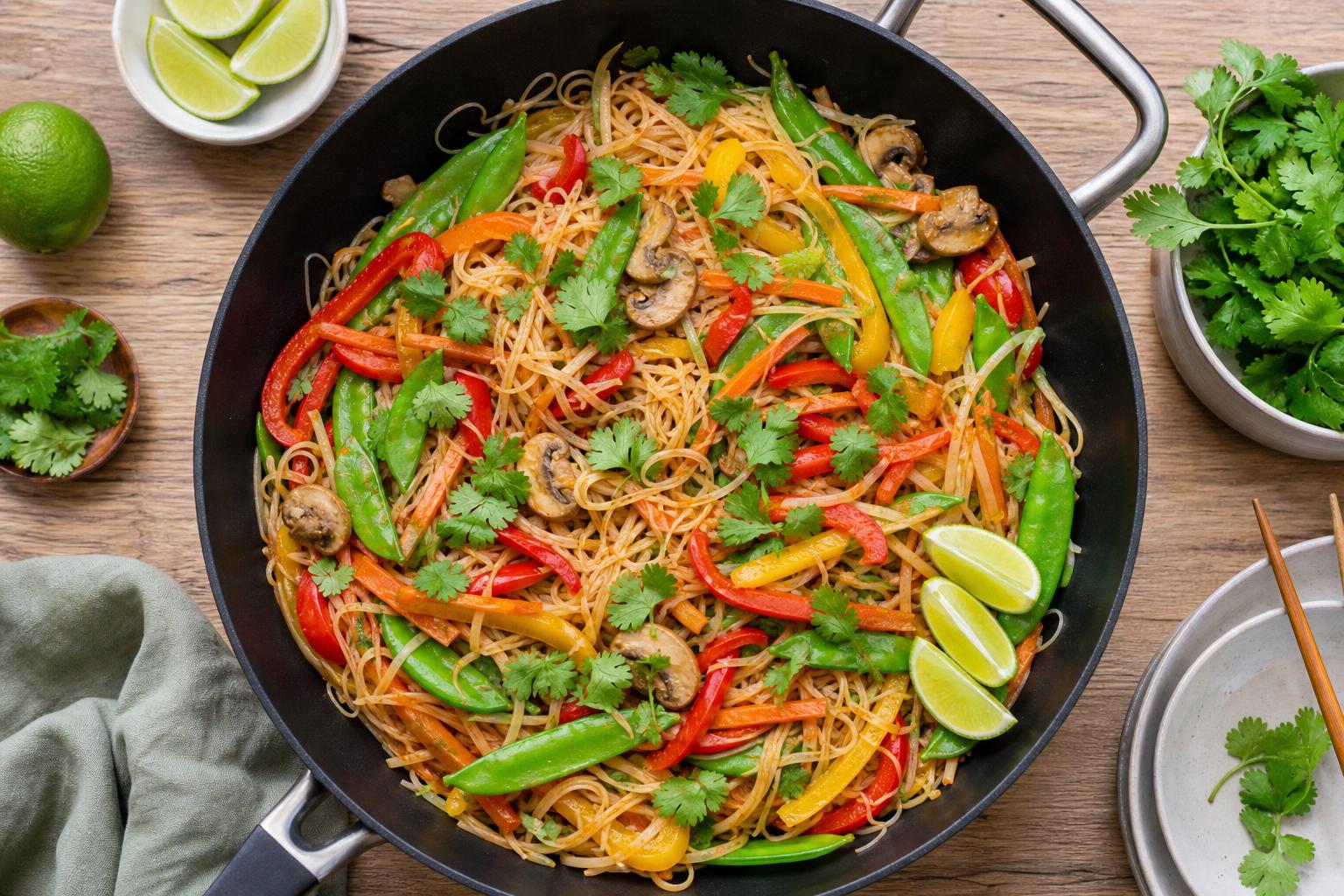
Dinner: Grass-fed beef stir-fry
- 4 oz grass-fed beef strips
- Mixed vegetables (broccoli, snap peas, bell peppers)
- Ginger and garlic
- Coconut aminos instead of soy sauce
- Served over cauliflower rice
Snack: Celery sticks with almond butter
Day 5: Friday
Breakfast: Chia pudding
- 3 tbsp chia seeds
- 1 cup unsweetened almond milk
- 1 tsp vanilla extract
- Fresh strawberries
- Chopped pistachios
Lunch: Sardine salad (trust me on this one)
- 1 can sardines in olive oil
- Mixed greens
- Cherry tomatoes
- Red onion
- Lemon vinaigrette
- Whole grain crackers
Dinner: Stuffed bell peppers
- Bell peppers stuffed with ground turkey, quinoa, diced tomatoes, and herbs
- Side of steamed broccoli
Snack: Golden milk latte (turmeric, ginger, coconut milk, cinnamon)
Day 6: Saturday
Breakfast: Weekend veggie scramble
- 2 eggs scrambled with spinach, mushrooms, and bell peppers
- Cooked in olive oil
- Side of fresh berries
Lunch: Anti-inflammatory soup
- Bone broth based soup with vegetables, herbs, and lean protein
- Slice of whole grain bread
Dinner: Grilled portobello mushrooms with quinoa
- Large grilled portobello caps
- Quinoa pilaf with herbs
- Roasted zucchini and yellow squash
Snack: Trail mix with walnuts, pumpkin seeds, and a few dried cranberries (no sugar added)
Day 7: Sunday
Breakfast: Anti-inflammatory pancakes
- Made with almond flour, eggs, and mashed banana
- Top with fresh berries and a drizzle of pure maple syrup
Lunch: Leftover makeover bowl
- Use any leftover proteins and vegetables from the week
- Serve over mixed greens with olive oil dressing
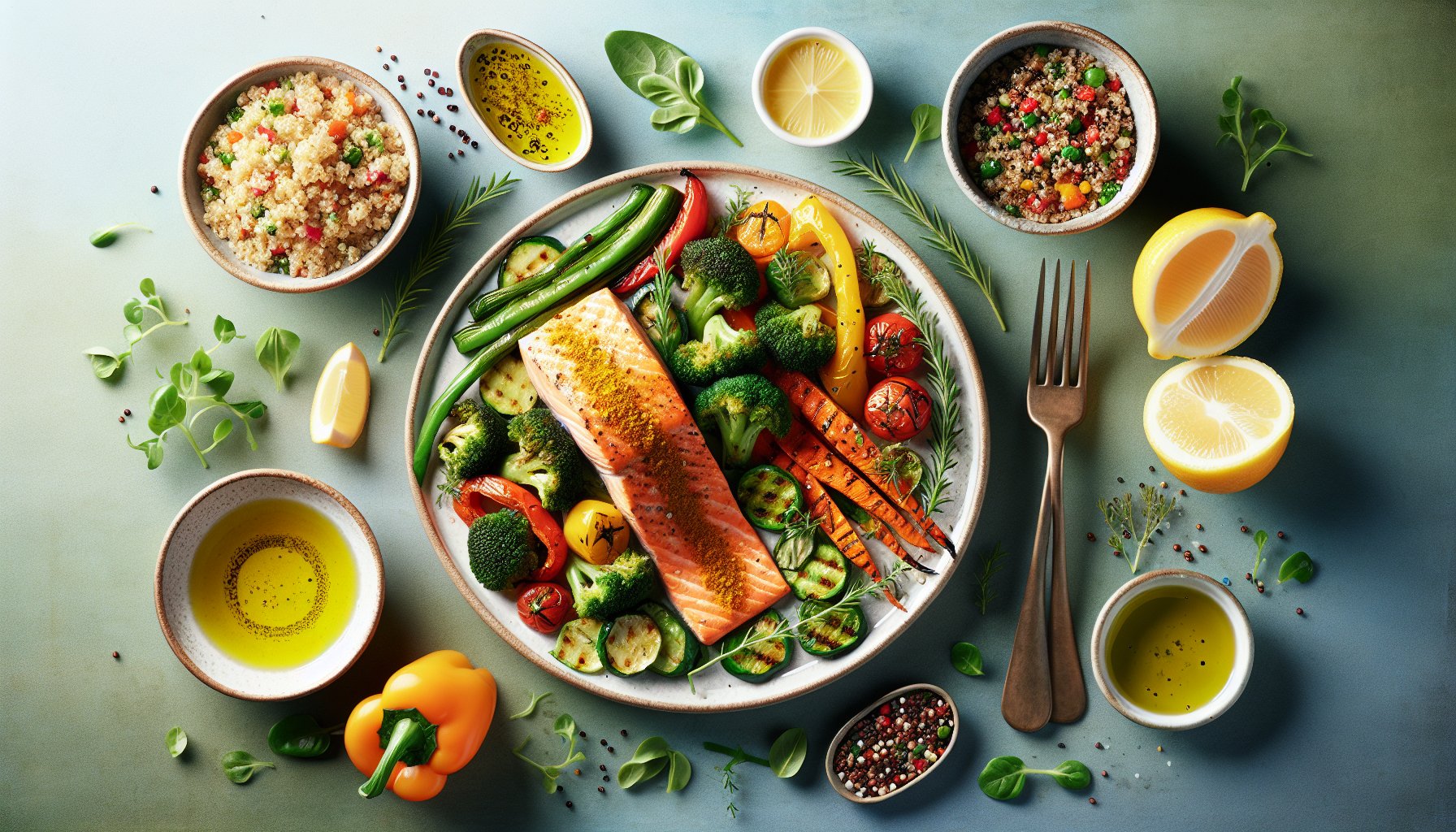
Dinner: Sunday salmon dinner
- Herb-crusted salmon
- Roasted rainbow vegetables
- Wild rice
Snack: Herbal tea and a small piece of dark chocolate
Shopping List Essentials
Here's what you need to stock up on for anti-inflammatory eating:
Proteins:
- Wild-caught salmon and other fatty fish
- Grass-fed beef (in moderation)
- Organic chicken and turkey
- Eggs from pasture-raised hens
- Beans and lentils
Healthy Fats:
- Extra virgin olive oil
- Avocados
- Nuts (walnuts, almonds, pistachios)
- Seeds (chia, flax, hemp)
Vegetables and Fruits:
- Dark leafy greens (spinach, kale, arugula)
- Colorful vegetables (bell peppers, carrots, beets)
- Cruciferous vegetables (broccoli, Brussels sprouts)
- Berries (blueberries, strawberries, blackberries)
- Citrus fruits
Whole Grains:
- Quinoa
- Brown rice
- Oats
- Whole grain bread and pasta
Herbs and Spices:
- Turmeric (with black pepper for absorption)
- Ginger
- Garlic
- Cinnamon
- Fresh herbs (basil, cilantro, parsley)
Meal Prep Tips That Actually Work
Meal planning is great, but meal prep is what makes it happen. Here's how to set yourself up for success:
Sunday prep session (60-90 minutes):
- Cook a big batch of quinoa and brown rice
- Wash and chop vegetables for the week
- Make overnight oats for 2-3 days
- Prepare chia pudding
- Mix up some homemade salad dressing
Batch cooking saves time:
- Grill several chicken breasts at once
- Roast a big sheet pan of vegetables
- Make a large pot of soup or stew
- Hard-boil a dozen eggs for quick protein
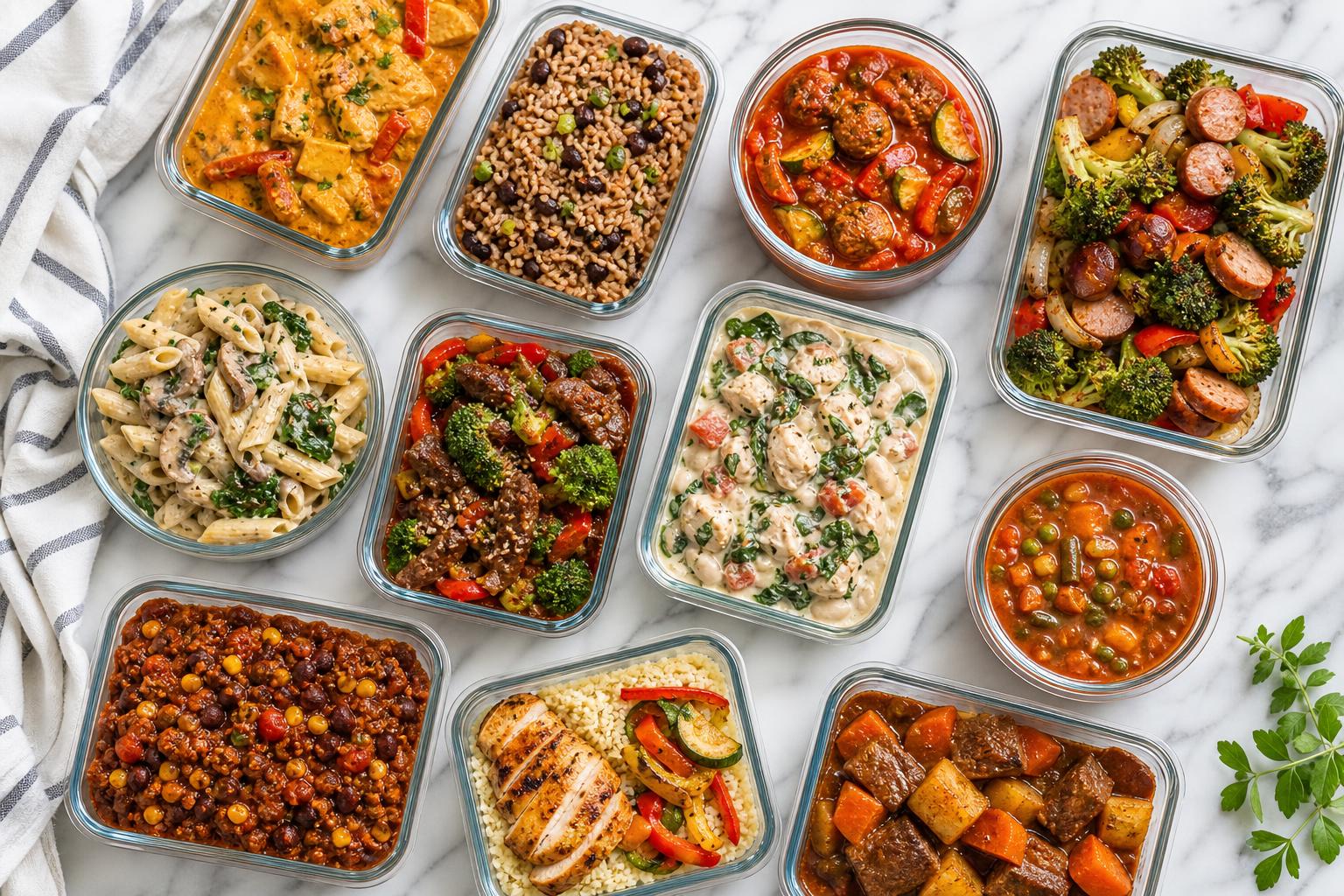
Store everything in glass containers. They keep food fresher and you can see what you have.
What to Expect on This Plan
Be realistic about the timeline. You're not going to feel like a new person after day one.
Week 1-2: You might feel hungrier as your body adjusts to less processed food. Your energy might fluctuate.
Week 3-4: Energy levels start to stabilize. You may notice better sleep and less afternoon crashes.
Month 2 and beyond: This is when people typically report the biggest improvements - less joint pain, better mood, clearer skin, and more consistent energy.
Some people see changes faster, others take longer. Your genetics, current health status, and how strictly you follow the plan all play a role.
Making It Work for Your Life
Real talk: this meal plan won't work if it doesn't fit your actual life. Here are some practical modifications:
If you hate fish: Get omega-3s from walnuts, flax seeds, chia seeds, and consider a high-quality fish oil supplement.
If you're always traveling: Focus on the principles rather than specific meals. Look for grilled proteins, vegetables, and avoid obviously inflammatory foods.
If you have a tight budget: Frozen vegetables are just as nutritious. Canned salmon and sardines are cheaper than fresh. Buy nuts and seeds in bulk.
If you have no time: Use pre-washed greens, frozen vegetable blends, and rotisserie chicken. It's not cheating - it's being smart.
The goal isn't perfection. It's progress. Following this plan 80% of the time is infinitely better than not trying at all.
Beyond the 7 Days
This meal plan gives you a foundation, but the real magic happens when you make anti-inflammatory eating a lifestyle.
Start paying attention to how different foods make you feel. Keep the ones that give you energy and make you feel good. Ditch the ones that leave you sluggish or achy.
Consider working with a registered dietitian if you have specific health conditions or food allergies. They can help you customize this approach for your unique needs.
If meal planning feels overwhelming or you want more variety, an AI-powered tool can help you create personalized meal plans based on anti-inflammatory principles. Try it free at usemealai.com.