The Truth About Weight Loss and Meal Planning
You've probably tried a dozen different diets. Keto, paleo, intermittent fasting, that weird cabbage soup thing your coworker swore by. Here's what nobody tells you: weight loss comes down to eating fewer calories than you burn. Everything else is just different ways to help you do that.
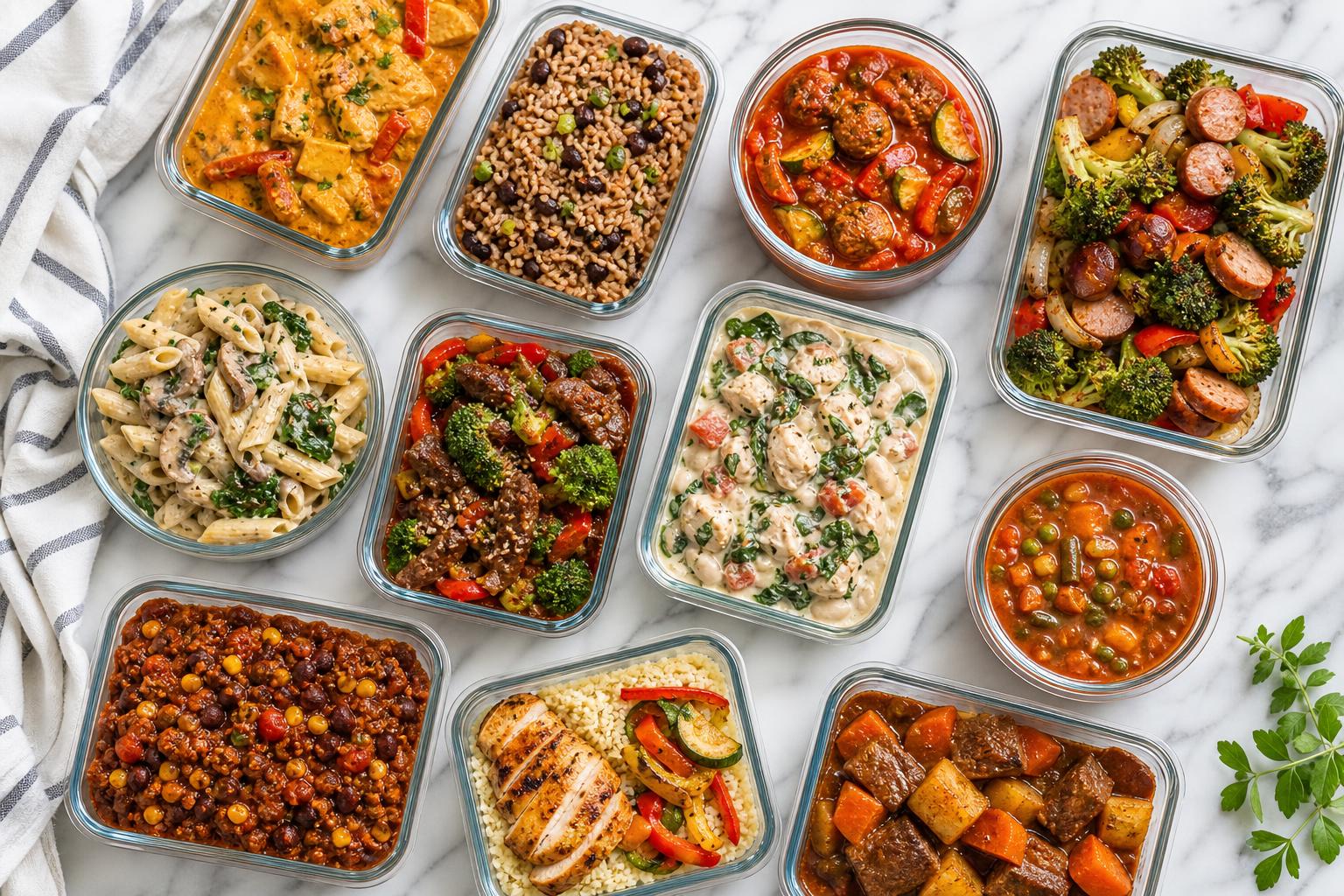
Meal planning isn't sexy, but it works because it takes the guesswork out of your day. When you're hungry at 3 PM, you're not making great decisions about what to eat. When you've already planned and prepped? You just eat what you planned.
The problem is most people approach meal planning like they're training for a bodybuilding competition. They plan these perfect, Instagram-worthy meals that require 47 ingredients and two hours of prep time. Then they quit after a week because life happened.
How Many Calories Do You Actually Need?
Before you plan a single meal, you need to know your numbers. Not knowing how many calories you should eat is like trying to budget without knowing how much money you make.
For weight loss, most women need 1,200-1,500 calories per day, and most men need 1,500-1,800 calories per day. These are rough estimates. Your actual needs depend on your age, height, weight, and how much you move.
Here's a simple way to figure out your baseline:
- Sedentary lifestyle: Your weight × 12-13 calories
- Lightly active: Your weight × 13-14 calories
- Moderately active: Your weight × 14-16 calories
- Very active: Your weight × 16-18 calories
To lose about a pound per week, subtract 500 calories from that number. To lose two pounds per week, subtract 1,000 calories (but don't go below 1,200 calories per day).
The 80/20 Rule for Meal Planning
Here's where most people mess up: they try to eat "perfectly" 100% of the time. That's not sustainable, and it's not necessary.
Aim to stick to your plan 80% of the time. The other 20% is for birthday cake, date nights, and those days when you just want pizza. This isn't cheating – it's being realistic about how humans actually live.
When you know you have flexibility built in, you're less likely to throw in the towel completely when you eat something "off plan."
What Your Daily Meals Should Look Like
Stop overthinking this. Your meals don't need to be complicated to work for weight loss. Here's a simple framework:
Breakfast (300-400 calories)
- Protein: 20-25 grams (eggs, Greek yogurt, protein powder)
- Fiber: Oatmeal, berries, or whole grain toast
- Fat: A little bit (nuts, avocado, or cooking oil)
Example: Two eggs scrambled with spinach, one slice whole grain toast, and half an avocado
Lunch (350-450 calories)
- Protein: 25-30 grams (chicken, fish, beans, tofu)
- Vegetables: At least half your plate
- Complex carbs: Brown rice, quinoa, sweet potato
Example: Grilled chicken salad with mixed greens, chickpeas, cherry tomatoes, and olive oil dressing
Dinner (400-500 calories)
- Protein: 25-30 grams
- Vegetables: Fill half your plate
- Carbs: Keep portions moderate
Example: Baked salmon with roasted broccoli and a small portion of wild rice
Snacks (150-300 calories total)
- Keep it simple: Apple with peanut butter, Greek yogurt with berries, or a handful of nuts
- Plan them: Don't leave snacking to chance
The Weekly Planning Process That Actually Works
Most people fail at meal planning because they try to plan every single meal from scratch every week. That's exhausting. Here's a better way:
Step 1: Pick Your Rotation
Choose 5-7 breakfast options, 7-10 lunch options, and 7-10 dinner options that you actually like. Write them down. These become your go-to meals.
Step 2: Batch Your Planning
Every Sunday (or whatever day works), spend 15 minutes picking meals from your rotation for the week. Don't reinvent the wheel every time.
Step 3: Make a Realistic Prep Plan
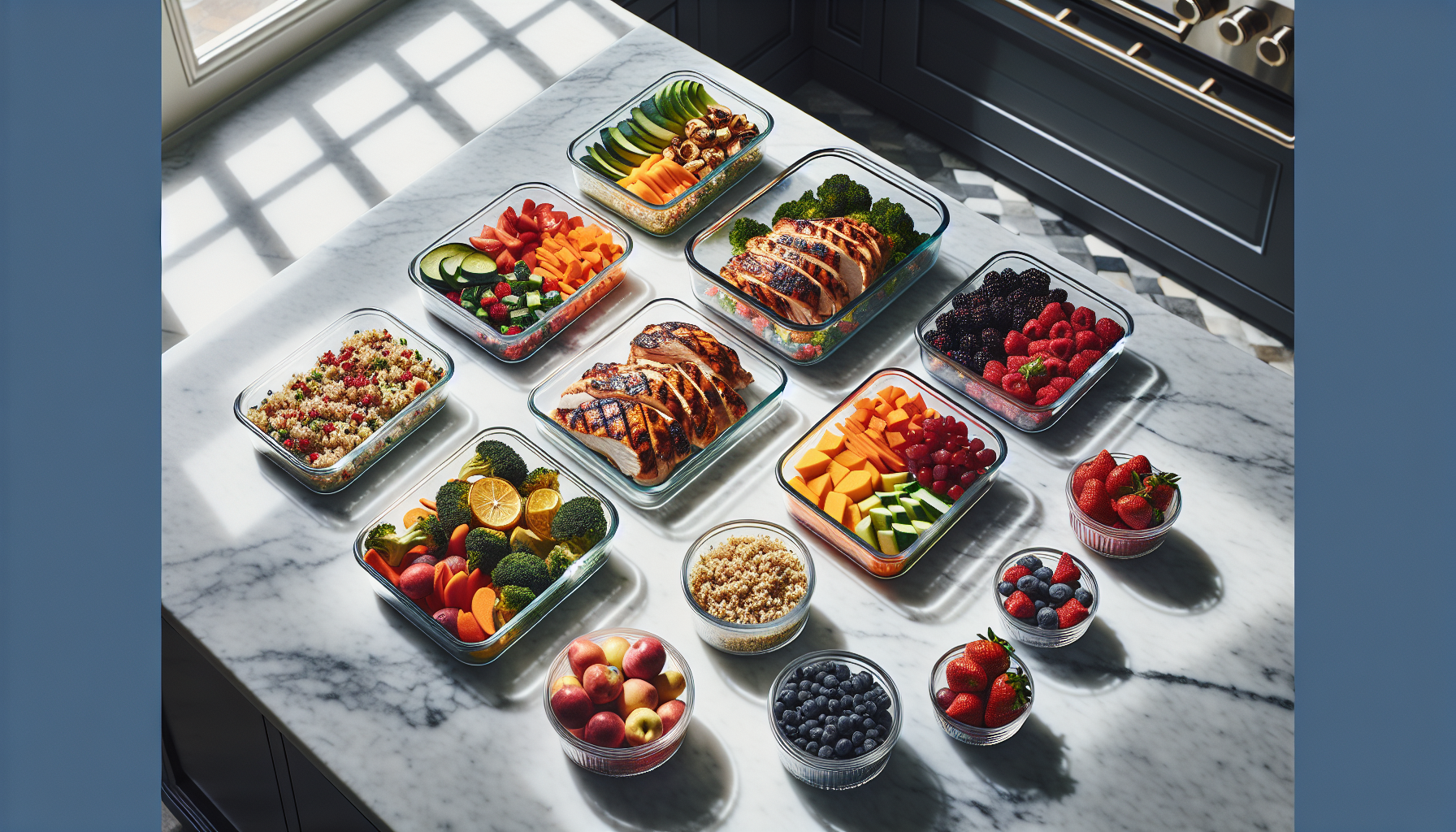
You don't have to prep everything. Pick one or two things to prep ahead that will make your week easier. Maybe it's washing and chopping vegetables, or cooking a big batch of chicken.
Step 4: Shop Smart
Make your grocery list organized by store section. Produce, meat, dairy, pantry items. This saves time and reduces the chance you'll forget something.
Foods That Make Weight Loss Easier
Some foods work better than others for weight loss. Not because they're "fat burning" (that's mostly nonsense), but because they keep you full on fewer calories.
High-volume, low-calorie foods:
- Leafy greens and non-starchy vegetables
- Berries and melon
- Broth-based soups
- Zucchini noodles or cauliflower rice
Protein-rich foods (keep you full longer):
- Chicken breast, fish, lean beef
- Eggs and egg whites
- Greek yogurt
- Beans and lentils
- Tofu and tempeh
Foods with fiber (slow digestion, increase fullness):
- Oatmeal and other whole grains
- Apples, pears, and berries
- Beans and legumes
- Chia seeds and flaxseeds
Common Meal Planning Mistakes That Sabotage Weight Loss
Planning Too Many New Recipes
Trying three new recipes every week sounds fun, but it's not sustainable. Stick to 80% familiar foods and 20% new things you want to try.
Not Planning for Real Life
Your meal plan needs to account for busy days, social events, and travel. Have backup options that require minimal prep.
Making It Too Restrictive
If your meal plan eliminates entire food groups or requires you to eat foods you hate, you won't stick to it. Plan meals you actually want to eat.
Ignoring Portion Sizes
Healthy food still has calories. You can gain weight eating too much quinoa and avocado. Measure your portions, at least initially, until you know what appropriate serving sizes look like.
Not Having Emergency Options
Sometimes you don't want what you planned. Have 3-4 quick, low-calorie meals you can make from pantry staples when plans change.
Making It Work When Life Gets Crazy
Perfect meal planning doesn't exist. Here's how to stay on track when things don't go according to plan:
Keep simple swaps ready:
- Planned chicken but didn't defrost it? Use rotisserie chicken or canned tuna
- Out of fresh vegetables? Frozen vegetables work just as well
- No time to cook? Have healthy frozen meals as backup
Use the "good enough" principle: A slightly imperfect meal that you actually eat is better than a perfect meal you don't make.
Track your wins, not just your mistakes. Did you eat a planned breakfast four days this week? That's progress, even if the other three days were rushed coffee shop pastries.
Sample 7-Day Weight Loss Meal Plan
Here's what a realistic week might look like for someone eating about 1,400 calories per day:
Monday
- Breakfast: Greek yogurt with berries and granola (320 cal)
- Lunch: Turkey and veggie wrap (380 cal)
- Snack: Apple with almond butter (190 cal)
- Dinner: Grilled chicken with roasted vegetables (450 cal)
- Total: 1,340 calories
Tuesday
- Breakfast: Two eggs with spinach and toast (350 cal)
- Lunch: Quinoa bowl with black beans and vegetables (420 cal)
- Snack: Greek yogurt (100 cal)
- Dinner: Baked fish with sweet potato and green beans (480 cal)
- Total: 1,350 calories
Wednesday
- Breakfast: Oatmeal with banana and nuts (340 cal)
- Lunch: Chicken salad with olive oil dressing (400 cal)
- Snack: Handful of almonds (160 cal)
- Dinner: Turkey meatballs with zucchini noodles (440 cal)
- Total: 1,340 calories
Continue this pattern, mixing and matching from your approved meal list.
The Technology That Makes This Easier
You don't need fancy apps or expensive programs, but the right tools can make meal planning much simpler. A good AI-powered meal planning app can suggest meals based on your calorie goals, dietary preferences, and what you have in your kitchen.
Look for features like automatic grocery list generation, recipe scaling for your household size, and the ability to swap ingredients based on what's available or on sale.
The best meal planning happens when technology handles the boring stuff (calculating calories, making grocery lists) so you can focus on actually eating well.
Your Next Steps
Start small. Don't try to overhaul your entire diet overnight. Pick one meal to plan consistently for a week. Most people find breakfast or lunch easier to start with since they're usually eaten at home.
Once that feels automatic, add another meal. Then another. Before you know it, meal planning will feel as natural as brushing your teeth.
Remember: the best meal plan is the one you'll actually follow. It doesn't have to be perfect, Instagram-worthy, or impress anyone else. It just has to work for your life, your schedule, and your goals.
If you want help getting started with personalized meal plans that fit your calorie goals and food preferences, try MealAI free at usemealai.com. It handles the math and planning so you can focus on the eating part.