Why Everyone's Talking About the Mediterranean Diet
You've probably heard friends raving about the Mediterranean diet, and honestly? They're onto something. This isn't just another trendy eating plan that'll leave you hungry and cranky.
The Mediterranean diet is based on how people in Greece, Italy, and Spain have been eating for centuries. We're talking fresh vegetables, olive oil, fish, whole grains, and yes – even a glass of wine with dinner.
What makes this approach different is that it doesn't feel like a diet at all. You're not counting calories or cutting out entire food groups. You're just eating real, delicious food that happens to be incredibly good for you.
What Makes the Mediterranean Diet So Special
Research shows that people following a Mediterranean diet have lower rates of heart disease, diabetes, and even certain cancers. But here's what really matters for beginners: it's sustainable.
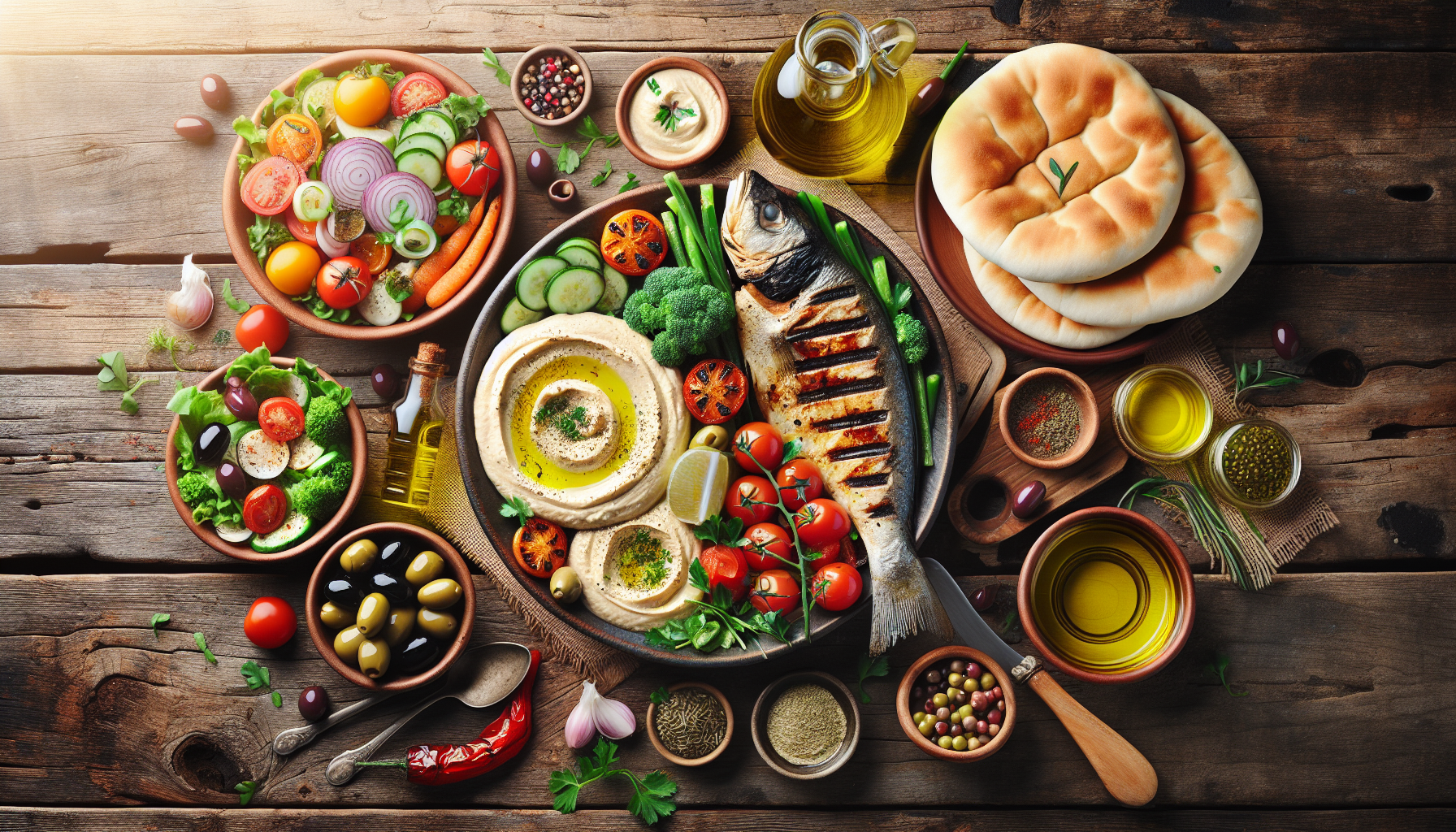
Unlike restrictive diets that make you dream about pizza, the Mediterranean approach actually includes foods you want to eat. Think grilled fish with lemon, fresh tomatoes drizzled with olive oil, and crusty bread dipped in hummus.
The magic happens because you're eating mostly whole, unprocessed foods. Your body gets the nutrients it needs without all the added sugars and preservatives that come with packaged meals.
Mediterranean Diet Basics: What You'll Actually Eat
Foods You'll Love
- Olive oil (the good stuff, not the cheap bottles)
- Fish and seafood 2-3 times per week
- Vegetables and fruits with every meal
- Whole grains like quinoa, brown rice, and oats
- Nuts and seeds for snacking
- Legumes like chickpeas, lentils, and beans
- Fresh herbs instead of heavy sauces
Foods to Eat Less Often
- Red meat (think once a week, not every day)
- Processed foods and packaged snacks
- Refined sugars and white bread
- Butter (olive oil is your new best friend)
Notice what's missing from the "avoid completely" list? That's because there isn't one. This is about balance, not elimination.
Your First Week Mediterranean Meal Plan
Starting something new can feel overwhelming, so I've mapped out exactly what your first week could look like. You don't have to follow this perfectly – use it as a guide and swap things around based on what you actually like.
Day 1: Monday
Breakfast: Greek yogurt with berries, honey, and chopped walnuts
Lunch: Mediterranean quinoa bowl with cucumbers, tomatoes, olives, and feta
Dinner: Baked salmon with roasted vegetables and a small portion of brown rice
Snack: Apple slices with almond butter
Day 2: Tuesday
Breakfast: Oatmeal topped with sliced banana and a drizzle of olive oil (trust me on this)
Lunch: Lentil soup with a side of whole grain bread
Dinner: Grilled chicken with Mediterranean roasted vegetables
Snack: A handful of mixed nuts
Day 3: Wednesday
Breakfast: Smoothie with spinach, banana, berries, and Greek yogurt
Lunch: Chickpea salad with olive oil, lemon, and fresh herbs
Dinner: Pasta with olive oil, garlic, cherry tomatoes, and fresh basil
Snack: Hummus with cucumber slices
Day 4: Thursday
Breakfast: Whole grain toast with avocado and a sprinkle of sea salt
Lunch: Greek salad with grilled shrimp
Dinner: Baked cod with lemon, served with quinoa and steamed broccoli
Snack: A small bowl of olives and cherry tomatoes
Day 5: Friday
Breakfast: Greek yogurt parfait with granola and fresh fruit
Lunch: Mediterranean wrap with hummus, vegetables, and grilled chicken
Dinner: Vegetarian chili with beans, served over brown rice
Snack: A piece of fruit with a small handful of nuts
Day 6: Saturday
Breakfast: Scrambled eggs with spinach and feta cheese
Lunch: Quinoa tabbouleh with grilled vegetables
Dinner: Grilled fish tacos with cabbage slaw and avocado
Snack: Greek yogurt with a drizzle of honey
Day 7: Sunday
Breakfast: Overnight oats with chia seeds and berries
Lunch: Mediterranean pizza on whole wheat crust with vegetables
Dinner: Slow-cooked chicken with Mediterranean herbs and roasted potatoes
Snack: A small portion of mixed nuts and dried fruit
Shopping List for Your First Week
Here's what you'll need to grab at the grocery store. Don't worry about buying everything at once – start with the basics and build from there.
Pantry Staples
- Extra virgin olive oil (get the good stuff)
- Quinoa and brown rice
- Whole grain pasta
- Canned beans and lentils
- Nuts (almonds, walnuts, pistachios)
- Greek yogurt
- Feta cheese
- Olives
- Canned tomatoes
Fresh Items
- Salmon, cod, or your favorite fish
- Chicken breast
- Eggs
- Mixed greens and spinach
- Cucumbers, tomatoes, bell peppers
- Lemons
- Fresh herbs (basil, parsley, oregano)
- Avocados
- Seasonal fruits
Meal Prep Tips That Actually Work
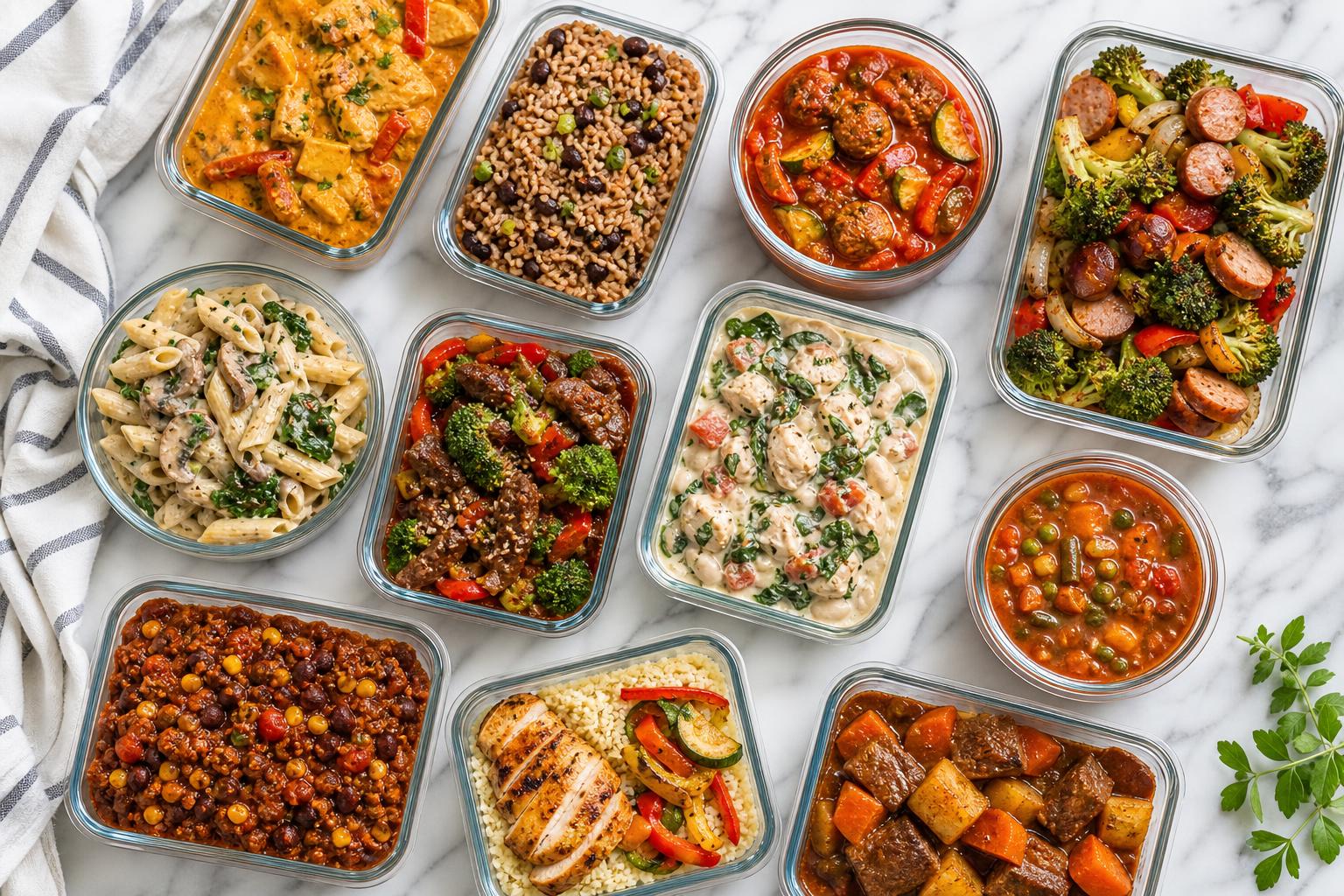
The key to sticking with any new eating plan is making it easy on yourself. Spend about an hour on Sunday doing these simple prep tasks:
Cook grains in bulk. Make a big batch of quinoa and brown rice. Store them in the fridge and use throughout the week.
Prep your vegetables. Wash and chop cucumbers, bell peppers, and tomatoes. Having them ready makes it so much easier to throw together a quick salad.
Make a big batch of something. Choose one recipe like lentil soup or Mediterranean chicken and make enough for 3-4 meals.
Don't try to prep everything at once. Start with just one or two things and build the habit gradually.
Common Beginner Mistakes (And How to Avoid Them)
Mistake #1: Going All-In Too Fast
You don't need to completely overhaul your diet overnight. Start by adding Mediterranean foods to what you're already eating, then gradually shift the balance.
Mistake #2: Skimping on Olive Oil
Yes, olive oil has calories, but it's a cornerstone of the Mediterranean diet. Use it generously – about 2-3 tablespoons per day is normal.
Mistake #3: Forgetting About Herbs and Spices
This is what makes Mediterranean food taste amazing. Fresh herbs, garlic, lemon juice, and spices transform simple ingredients into something you actually want to eat.
Mistake #4: Making It Too Complicated
Some of the best Mediterranean meals are incredibly simple. Grilled fish with lemon, a tomato salad with olive oil, or pasta with garlic and herbs.
How to Make It Stick
The Mediterranean diet works because it's enjoyable, but you still need strategies to make it a habit.
Start with one meal. Maybe make your lunches Mediterranean-style for the first week, then add breakfast the following week.
Focus on additions, not restrictions. Instead of thinking "I can't eat this," think "I'm adding more vegetables and olive oil to my meals."
Cook with friends or family. Mediterranean eating is social. Make it fun by involving the people you live with.
Give yourself permission to adapt. Don't like fish? Eat more beans and nuts. Hate olives? Skip them. The principles matter more than perfect adherence to every single food.
Making Mediterranean Meals on a Budget
You don't need expensive ingredients to eat Mediterranean-style. Some of the most budget-friendly foods – beans, lentils, seasonal vegetables, and whole grains – are staples of this diet.
Buy fish when it's on sale and freeze portions. Use canned beans instead of cooking from scratch. Choose seasonal produce, which is usually cheaper and tastes better anyway.
Frozen vegetables work great too, especially for soups and grain bowls. The goal is progress, not perfection.
Your Next Steps
Starting a new way of eating doesn't have to be overwhelming. Pick 2-3 meals from the plan above that sound good to you and try them this week.
Pay attention to how you feel after eating Mediterranean-style meals compared to your usual foods. Most people notice they have more energy and feel less sluggish.
Remember, this isn't about following rules perfectly. It's about discovering delicious, healthy foods that make you feel good.
If you want help creating personalized Mediterranean meal plans that fit your schedule and preferences, MealAI can generate custom plans based on your goals and dietary needs. Try it free at usemealai.com