The Single Person's Grocery Dilemma
You know the drill. You go grocery shopping with good intentions, buy a whole bag of spinach, and then watch it turn into green slime in your fridge a week later. Meanwhile, that loaf of bread you bought? Half of it's getting moldy because who actually eats 20 slices before it goes bad?
Grocery shopping for one is genuinely challenging. Most packaging is designed for families, sale prices push you toward bulk buying, and it's hard to meal plan when you're cooking for just yourself.
But here's the thing – with the right strategies, you can shop smart, waste less food, and actually save money in the process.
Start With a Reality Check
Know Your Actual Eating Patterns
Before you even make a grocery list, spend a week tracking what you actually eat. Not what you think you should eat, or what you want to eat – what you really consume.
Most single people overestimate how much they'll cook at home. If you typically eat out three times a week, don't shop like you're cooking seven dinners. Be honest about your lifestyle.
Write down every meal and snack for a week. You'll probably notice patterns – like how you always grab cereal for breakfast when you're rushing, or how you order takeout every Friday night.
Calculate Your Portions
Here's a reality check: recipe portions are usually designed for 4-6 people. That "serves 4" pasta dish? You're looking at leftovers for days.
Learn these single-person portion sizes:
- Pasta: 2-3 oz dry (about 1/2 to 3/4 cup)
- Rice: 1/4 cup dry
- Meat/fish: 3-4 oz (palm-sized)
- Vegetables: 1/2 to 1 cup per serving
Strategic Shopping: The Smaller-is-Better Approach
Embrace the Salad Bar and Hot Bar
This is probably the best-kept secret for single-person grocery shopping. That salad bar isn't just for lunch – it's your produce section.
Need just a handful of cherry tomatoes for a recipe? Hit the salad bar. Want to try a new vegetable without committing to a whole bag? Salad bar. Need exactly two pieces of broccoli? You get the idea.
Yes, it costs more per pound, but you'll waste zero food. The math usually works out better than buying full packages and throwing half away.
Shop the Perimeter More Frequently
Instead of one big weekly shop, try smaller trips 2-3 times per week. Focus on fresh items like produce, dairy, and proteins.
This approach lets you:
- Buy exactly what you need for the next few days
- Take advantage of manager's special deals on items that need to be used soon
- Adjust your meals based on what looks good and fresh
Master the Art of Multipurpose Ingredients
When you're shopping for one, every ingredient needs to work overtime. Instead of buying single-use items, focus on versatile ingredients that can work in multiple meals.
Instead of buying: Bell peppers, zucchini, mushrooms, and onions for different recipes
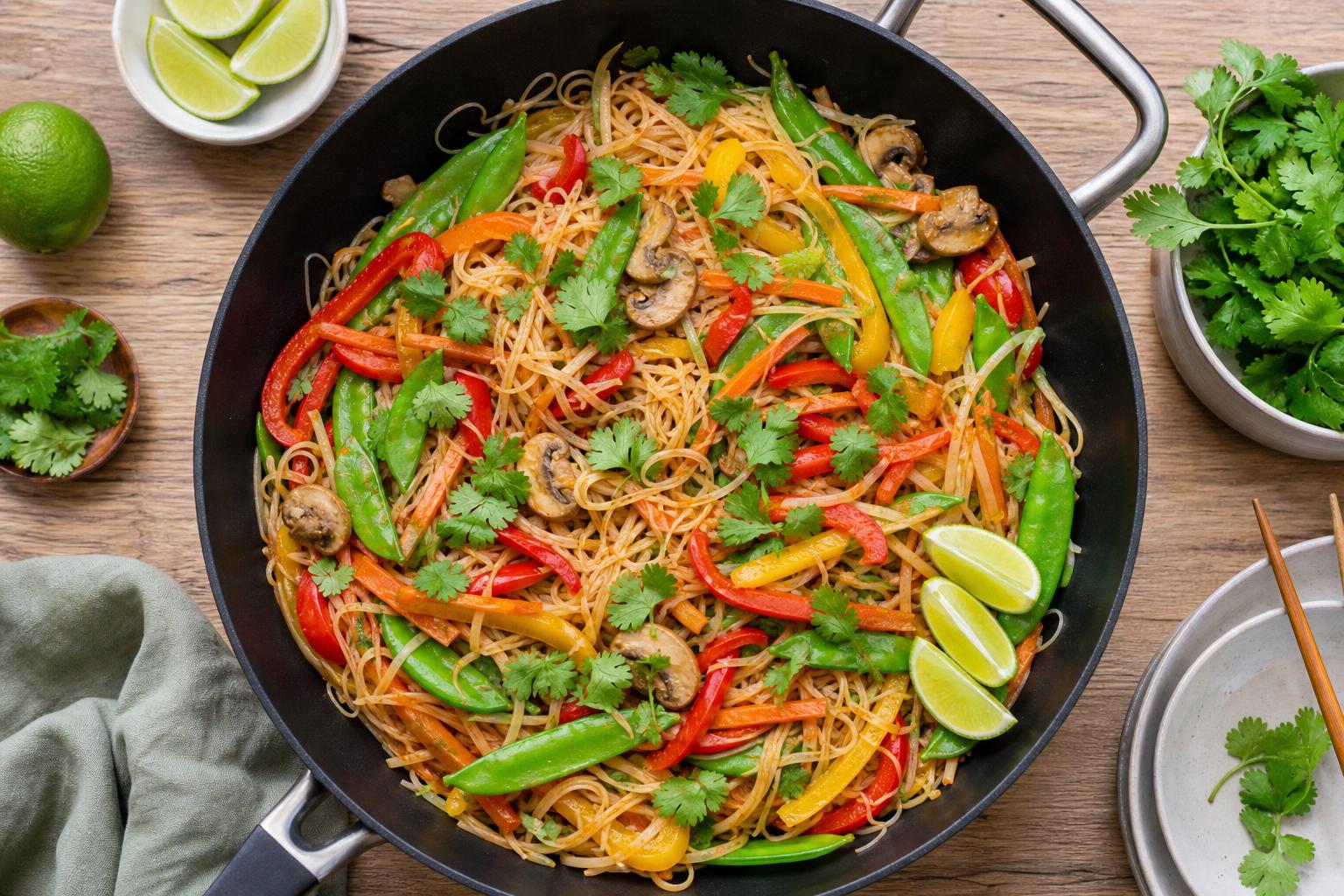
Buy: A bag of stir-fry vegetables that you can use in pasta, omelets, grain bowls, and actual stir-fries
The Single Person's Shopping List Strategy
Base Ingredients That Go the Distance
Build your shopping around ingredients that last longer and work in multiple dishes:
Proteins that freeze well:
- Ground turkey or beef (divide into 1/4 lb portions and freeze)
- Chicken thighs (freeze individually)
- Eggs (last 3-5 weeks)
- Canned fish
- Tofu (lasts longer than you think)
Hardy vegetables:
- Carrots
- Cabbage
- Sweet potatoes
- Onions
- Frozen vegetable medleys
Grains and pantry staples:
- Rice
- Quinoa
- Pasta
- Oats
- Canned beans
The "One Fresh, One Frozen" Rule
For produce, try buying one fresh version and one frozen version of vegetables you eat regularly. Use the fresh stuff first, then fall back on frozen when you need it.
Frozen vegetables get a bad rap, but they're picked at peak ripeness and don't guilt-trip you from the crisper drawer when you don't use them fast enough.
Portion Control at Purchase
Repackage Everything When You Get Home
The minute you get home from grocery shopping, spend 15 minutes repackaging bulk items into single servings.
Ground meat: Divide into 1/4 lb portions, flatten in freezer bags, and freeze. They'll thaw quickly and you won't have to commit to a full pound of ground beef.
Cheese: Cut into recipe-sized portions and wrap separately. Hard cheeses freeze surprisingly well.
Bread: Slice and freeze half immediately. Toast directly from frozen.
Use Your Freezer Like a Pause Button
Your freezer isn't just for ice cream and frozen dinners. It's your secret weapon against food waste.
Items you might not know you can freeze:
- Milk (shake well after thawing)
- Butter
- Fresh herbs (chop and freeze in ice cube trays with olive oil)
- Cooked rice and grains
- Bananas (for smoothies)
- Bread, bagels, and English muffins
Smart Shopping Tactics
Timing Your Trips
Shop at different times for different purposes:
Sunday evenings: Many stores mark down items that expire soon. Perfect for things you'll use within 1-2 days.
Wednesday mornings: Fresh deliveries have usually arrived, and crowds are lighter.
Late evenings: Bakery items and prepared foods often get marked down.
The 3-Meal Rule
Before buying any perishable ingredient, identify three different ways you'll use it. Can't think of three meals? Don't buy it.
For example, if you're buying spinach:
1. Salad for lunch tomorrow
2. Added to scrambled eggs
3. Wilted into pasta sauce
This mental exercise prevents impulse purchases and ensures everything has a purpose.
Make Friends with Store Brands and Smaller Sizes
Don't get caught up in unit pricing when you're shopping for one. Sometimes the smaller, more expensive per-ounce package is actually cheaper because you'll use all of it.
That giant container of yogurt might be a better deal per ounce, but if half of it expires before you eat it, the smaller containers are actually more economical.
Meal Planning for One (Without Getting Bored)
The "Ingredient of the Week" Method
Pick one main ingredient each week and plan 3-4 different meals around it. This week might be "chicken thigh week" or "sweet potato week."
This approach:
- Reduces decision fatigue
- Ensures you use everything you buy
- Builds your cooking skills with specific ingredients
- Creates natural variety in preparation methods
Embrace Strategic Leftovers
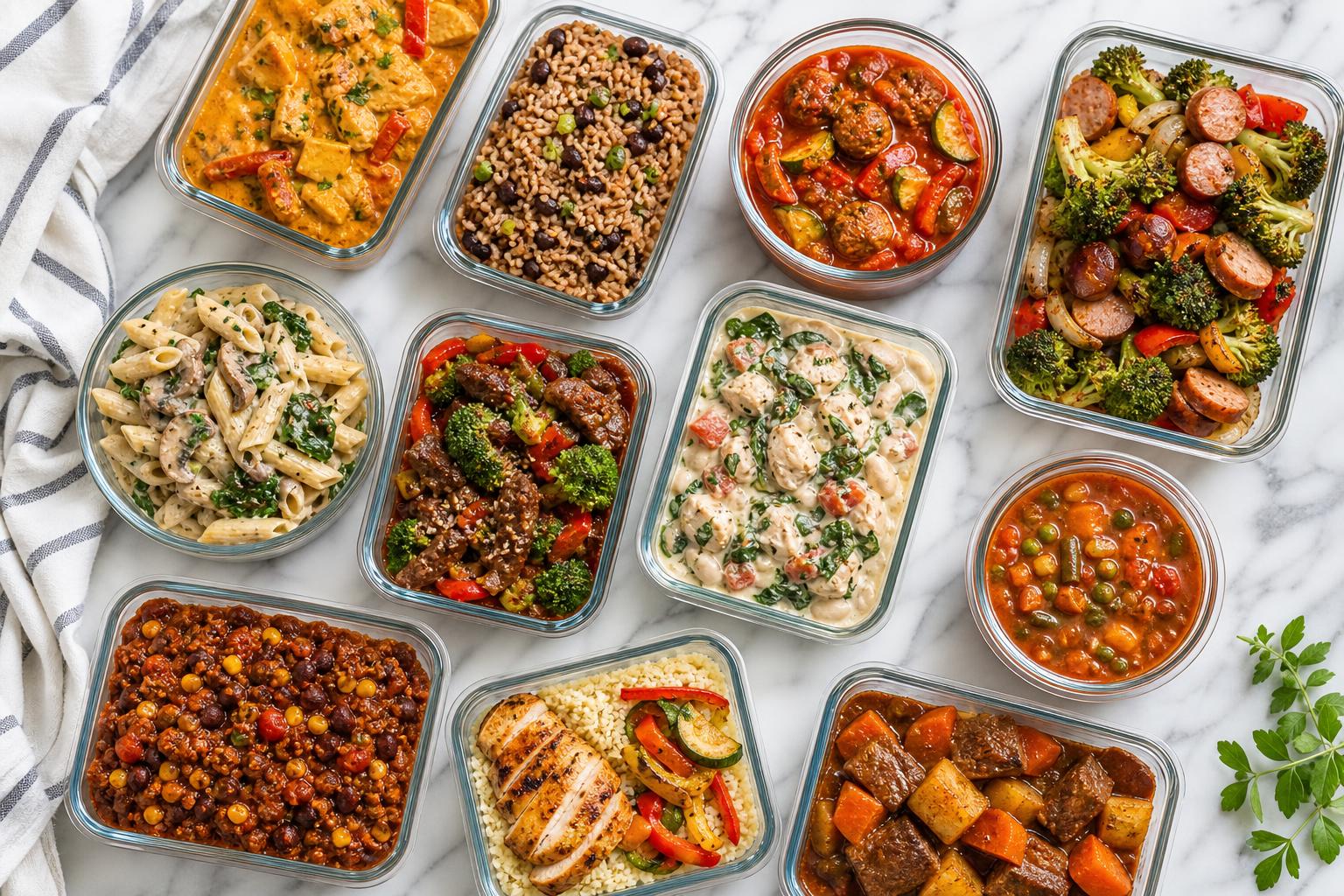
Instead of making one recipe that serves four, make components that can be mixed and matched.
Cook a big batch of:
- Grains (rice, quinoa, farro)
- Roasted vegetables
- Protein (grilled chicken, baked tofu)
- Simple sauce or dressing
Then combine them differently throughout the week. Monday might be chicken + rice + vegetables in a bowl. Wednesday could be the same ingredients in a wrap with different seasonings.
The "Cook Once, Eat Twice" Strategy
When you do cook, intentionally make recipes that transform well into something completely different.
- Roast chicken becomes chicken salad sandwiches
- Stir-fry vegetables become omelet filling
- Cooked ground meat becomes taco filling, then pasta sauce
Budget-Friendly Single Shopping
Unit Price Reality Check
Unit pricing can be misleading when you're shopping for one. The "better deal" isn't better if you waste half of it.
Do this calculation: (Package price ÷ Amount you'll actually use) = Your real unit cost
That family-size container of strawberries might be $0.30 per ounce, but if you only eat half before they go bad, your real cost is $0.60 per ounce.
Store Loyalty Programs for Singles
Many grocery stores offer digital coupons and personalized deals based on your shopping history. These programs are actually perfect for single-person households because:
- Deals are sized for your actual purchasing patterns
- You get coupons for items you regularly buy in small quantities
- Points accumulate faster relative to your spending
The "Expensive Ingredient" Splurge
When you're cooking for one, you can afford to splurge on higher-quality ingredients because you're buying smaller quantities.
That $8/lb fancy cheese feels expensive, but if you're only buying 1/4 pound, it's $2. Compare that to buying a $4 block of mediocre cheese that you might not finish.
Better ingredients make simple meals more satisfying, which reduces the temptation to order takeout.
Storage Solutions That Actually Work
Invest in Good Storage Containers
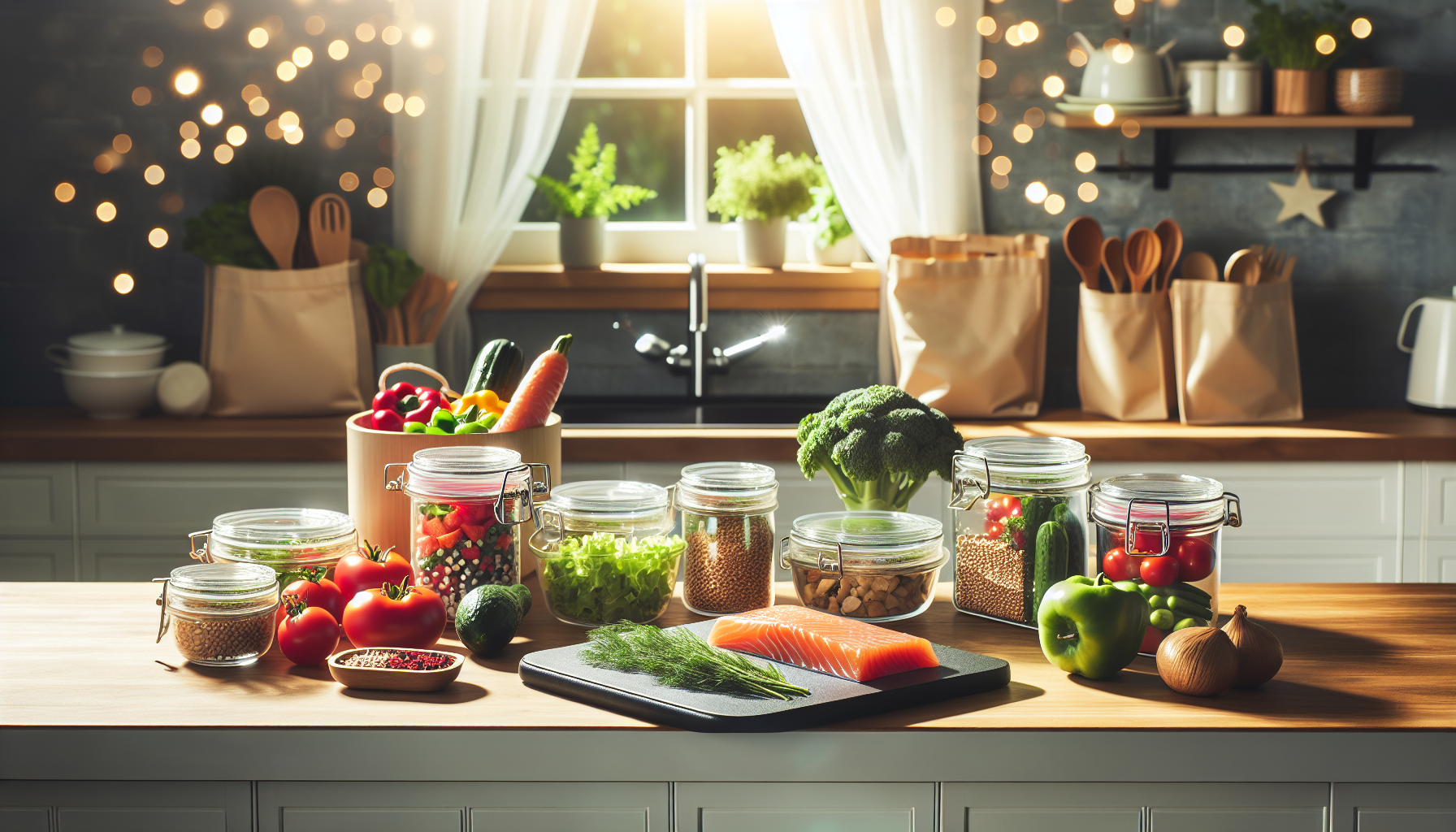
Proper storage can double or triple the life of your produce. Glass containers with tight-fitting lids are worth the investment.
For produce:
- Store herbs like flowers in water
- Keep potatoes and onions separate (they make each other spoil faster)
- Wrap leafy greens in paper towels before storing
- Store tomatoes on the counter, not in the fridge
The "Eat First" System
Organize your fridge so older items are always visible and accessible. Use a small basket or container for "eat first" items that need to be used soon.
This visual reminder prevents the "out of sight, out of mind" problem that leads to forgotten leftovers and expired ingredients.
Making Peace with Food Waste
It's Going to Happen Sometimes
Even with perfect planning, you'll occasionally waste food. A work dinner invitation, a change in appetite, getting sick – life happens.
Don't let perfect be the enemy of good. Reducing food waste by 80% is infinitely better than reducing it by 0% because you gave up trying.
Compost or Find Creative Uses
When food does go bad, don't just throw it in the trash:
- Vegetable scraps make excellent stock
- Overripe fruit works in smoothies or baked goods
- Stale bread becomes breadcrumbs or croutons
- Coffee grounds and banana peels are great for plants
Technology Can Help
Smart meal planning makes single-person grocery shopping so much easier. When you have a clear plan for every ingredient, you waste less food and save money.
Apps that consider your household size, dietary preferences, and schedule can generate shopping lists that actually match your real life – not some idealized version where you cook elaborate meals every night.
Try it free at usemealai.com