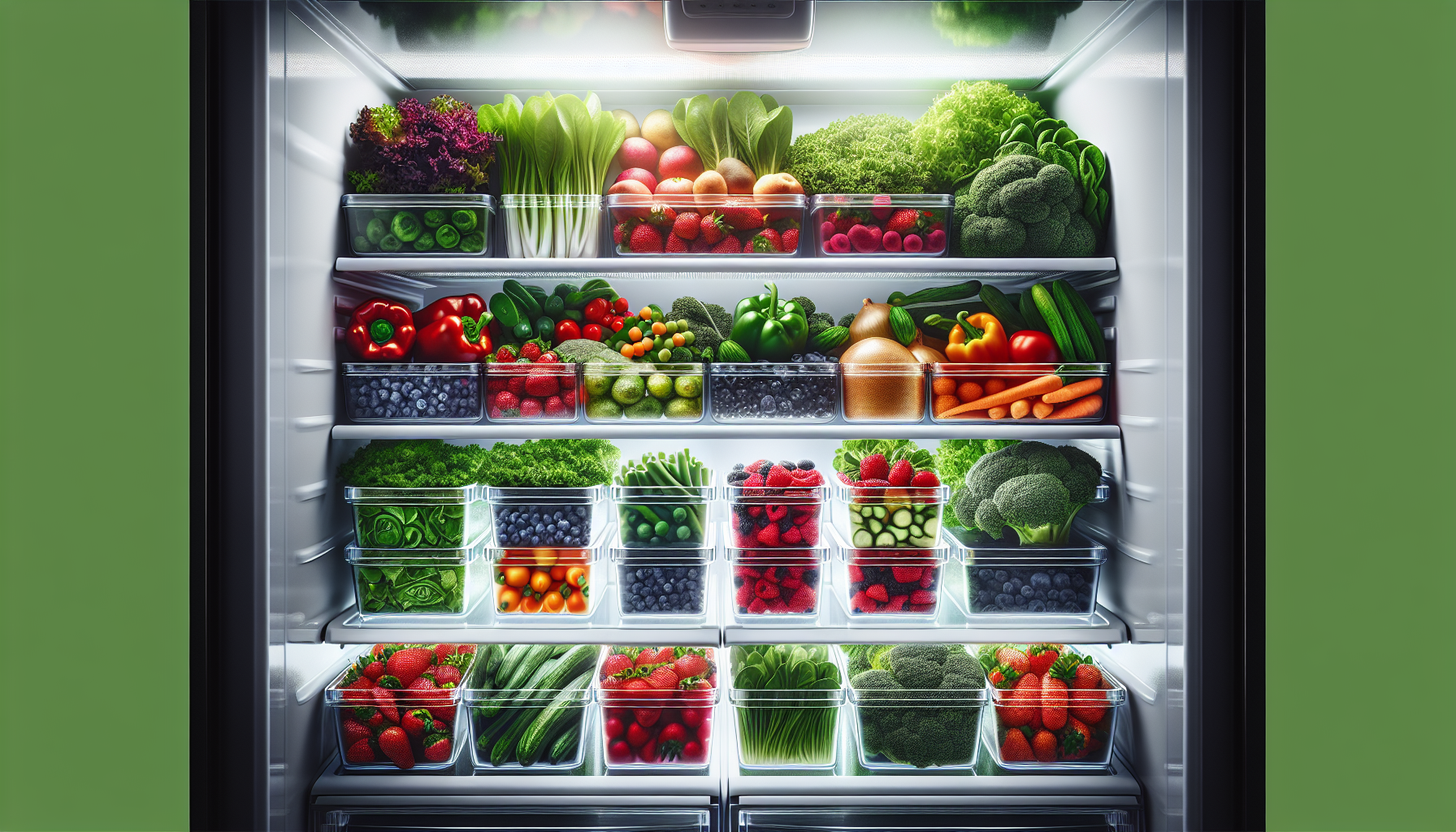
Open your fridge right now. Go ahead.
See that bag of spinach turning into soup? The leftovers from Tuesday you swore you'd eat? The yogurt hiding behind the milk that expired last week?
That's money. In the trash.
The USDA estimates the average American family throws away 30-40% of the food they buy. For a family spending $300/week on groceries, that's roughly $90-120 a week going straight into the garbage.
Do the math: that's $4,700-6,200 a year. Even on the conservative end, you're looking at $1,500+ annually in wasted food.
Let's fix that.
Why We Waste So Much Food
It's not because we're careless. It's because the system is set up to make us waste.
We buy without a plan. You walk into the store hungry, grab things that look good, and end up with ingredients for 15 different meals but no actual complete meal.
Portions are designed for waste. That bag of salad is always too big. The bread goes stale before you finish it. The recipe calls for half a can of coconut milk and the rest sits in your fridge until it grows something.
We're bad at estimating. We think we'll cook every night, so we buy fresh produce for 7 dinners. Then Wednesday hits, we're tired, and we order takeout. Thursday too. By Friday, the vegetables are done.
"Best by" confusion. Those dates are mostly about quality, not safety. But we see "best by April 5" and toss it on April 6, even if it's perfectly fine.
The Fix: Plan Before You Shop
This is the single biggest change you can make. It's not exciting. It's not a hack. But it works.
When you know exactly what you're cooking this week, you buy exactly what you need. No random impulse purchases. No "I might make curry sometime this week" buys that end up rotting.
Here's the simple version:
1. Decide on 5-6 dinners for the week (not 7 — leave room for leftovers or eating out)
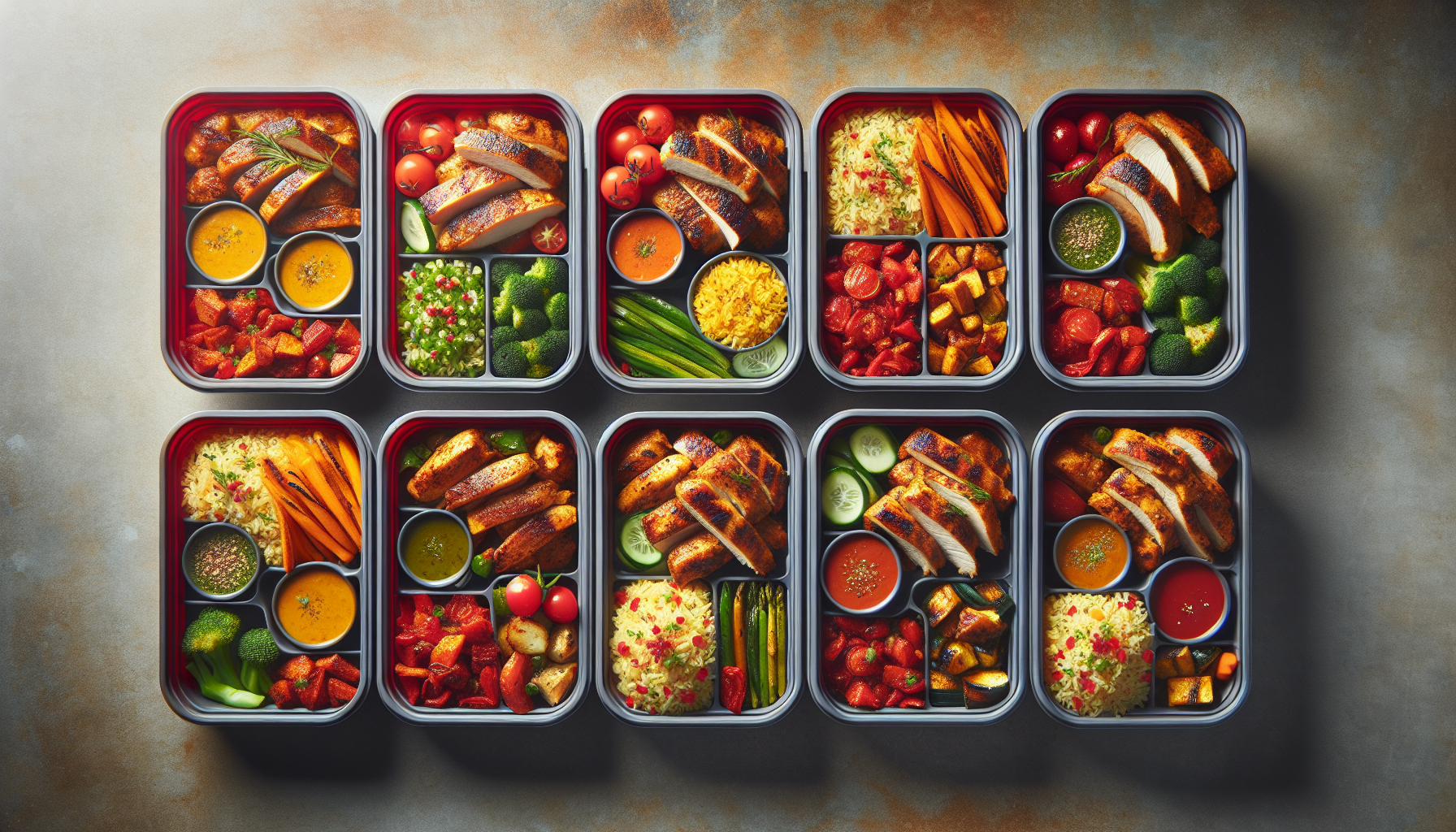
2. Plan lunches around leftovers
3. Keep breakfasts simple and consistent
4. Write a grocery list based only on these meals
5. Stick to the list
That's it. This alone can cut your food waste by 50% or more.
Smart Shopping Strategies
Shop your fridge first. Before making your list, check what you already have. That half-used bag of rice, those cans in the back of the pantry, the frozen chicken you forgot about — build meals around what needs to be used up.
Buy frozen strategically. Frozen vegetables are just as nutritious as fresh, last months instead of days, and cost less. Keep a stash of frozen broccoli, peas, spinach, and stir-fry mixes.
Understand storage. Berries last longer when stored in a single layer. Herbs stay fresh in a glass of water in the fridge. Bananas ripen everything around them. Onions and potatoes don't go together. Small changes, big impact.
Buy the ugly produce. Many stores now sell "imperfect" produce at a discount. It tastes exactly the same.
The Leftover Strategy
Leftovers aren't sad desk lunch. They're the backbone of a zero-waste kitchen.
Cook once, eat twice. Make a big batch of chili on Sunday — that's Tuesday's lunch. Roast extra chicken — that becomes Wednesday's chicken salad sandwiches.
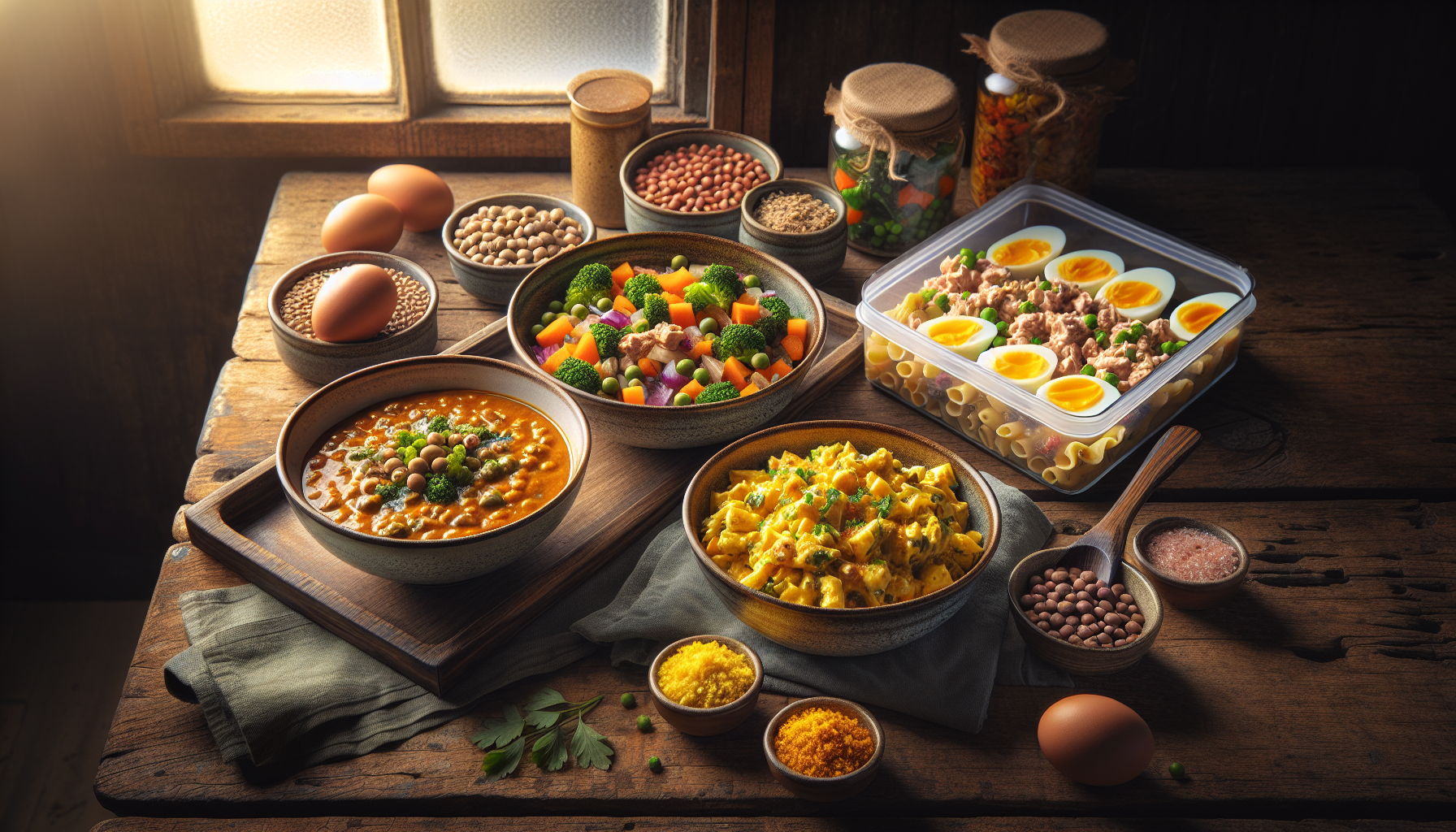
Transform, don't repeat. Nobody wants the exact same meal twice in a row. But that roasted chicken becomes chicken tacos. Last night's rice becomes fried rice. Leftover vegetables go into a frittata.
Freeze before it spoils. If you know you won't eat something in time, freeze it. Cooked grains, soups, sauces, bread, meat — almost everything freezes well. Label it with the date.
The Numbers That Matter
Let's say you currently spend $250/week on groceries and waste 30% of it. That's $75/week in the trash, or $3,900/year.
Cut your waste to 10% with better planning. Now you're wasting $25/week instead of $75. That's $50/week saved, or $2,600/year back in your pocket.
But it gets better. When you plan meals, you also stop impulse buying. Most families find their total grocery bill drops 15-25% just from shopping with a list.
So you're not just wasting less — you're buying less unnecessary stuff too.
Technology Can Help
Look, we know meal planning takes effort. That's why most people don't do it consistently. You start strong on January 1st, and by February you're back to wandering the aisles.
This is exactly the problem AI can solve. Tools like MealAI generate a complete meal plan based on what you like, your budget, and your family size. It creates the grocery list automatically, so you buy only what you need.
No more guessing. No more waste. No more watching spinach decompose in your crisper drawer.
Try it free at usemealai.com — because the best way to stop wasting food is to start with a plan.