# How to Feed a Family of 6 on $100 a Week (Without Going Crazy)
Feeding six people on a tight budget feels impossible some days. I get it – you're standing in the grocery store doing mental math while your kids ask for everything they see, and your cart is already overflowing.
But here's the thing: you absolutely can feed your large family well without breaking the bank. It just takes a little strategy and some tricks that most people don't know about.
The Reality Check: What $100 Actually Gets You
First, let's be real about what we're working with. $100 for six people means roughly $16.67 per person per week. That breaks down to about $2.38 per person per day for all meals and snacks.
Sounds tight? It is. But it's totally doable when you know where to focus your energy.
The secret isn't cutting corners on nutrition – it's being smarter about what you buy and how you use it.
The Foundation: Base Your Meals on Cheap Staples
Your grocery budget should follow the 70-20-10 rule: 70% on filling staples, 20% on proteins, and 10% on extras like snacks or treats.
The Power Players (Your 70%)
These ingredients should make up the bulk of every meal:
- Rice ($1 for 2 pounds = 16 servings)
- Dried beans and lentils ($1.50 per bag = 12+ servings)
- Pasta ($1 per pound = 8 servings)
- Potatoes ($3 for 10 pounds)
- Oats ($3 for a huge container)
- Flour (for homemade bread and pancakes)
- Eggs ($2.50 per dozen)
Notice something? These are all foods that expand when you cook them. One cup of rice becomes three cups cooked. That's how you stretch your dollar.
Smart Protein Choices (Your 20%)
Forget expensive cuts of meat. Focus on:
- Whole chickens ($4-5 each, feeds family twice)
- Ground turkey (often cheaper than beef)
- Canned tuna ($1 per can)
- Dried beans (double duty as protein and filler)
- Eggs (cheapest protein per gram)
A whole chicken gives you multiple meals: roast it Sunday, use leftovers for tacos Tuesday, make soup with the bones Wednesday.
Weekly Meal Planning That Actually Works
Here's where most people mess up: they plan meals, not ingredients. Instead, plan around what you can buy in bulk and use multiple ways.
Sample Week for Family of 6 ($95 total)
Shopping List:
- 2 whole chickens ($10)
- 5 lbs rice ($2.50)
- 3 lbs dried beans ($4.50)
- 2 lbs pasta ($2)
- 10 lbs potatoes ($3)
- 2 dozen eggs ($5)
- Oats ($3)
- Flour, baking powder ($4)
- Onions, carrots, celery ($6)
- Canned tomatoes x4 ($4)
- Oil, seasonings ($5)
- Milk ($3)
- Peanut butter ($3)
- Bananas ($2)
- Bread ($2)
- Cheese block ($3)
- Frozen vegetables ($4)
Monday: Roast chicken, mashed potatoes, frozen vegetables
Tuesday: Chicken fried rice using leftovers
Wednesday: Bean and vegetable soup with homemade bread
Thursday: Spaghetti with simple tomato sauce
Friday: Potato and egg scramble
Saturday: Bean and cheese quesadillas
Sunday: Chicken soup using bones from Monday
Breakfasts: Oatmeal, scrambled eggs, homemade pancakes
Lunches: Leftovers, PB&J, simple sandwiches
The Prep Day Game-Changer
Spend two hours every Sunday doing this:
1. Cook your grains in bulk – make enough rice for the week
2. Prep your beans – soak overnight Saturday, cook Sunday
3. Wash and chop vegetables – saves time and reduces waste
4. Make bread dough – fresh bread costs pennies vs. store-bought
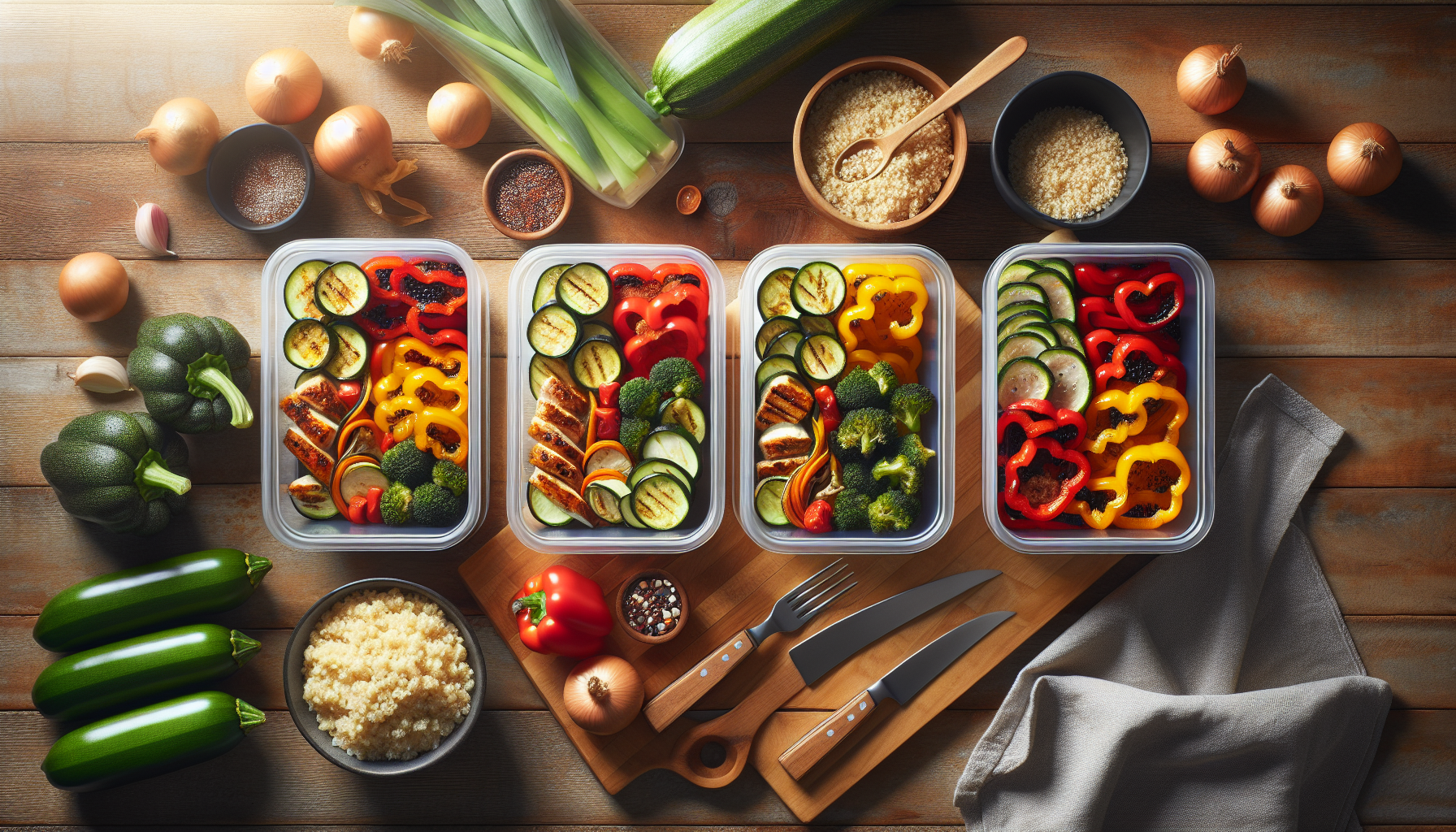
This isn't meal prep exactly – it's ingredient prep. You're setting yourself up so weeknight cooking takes 20 minutes instead of an hour.
Shopping Strategies That Save Real Money
Timing Is Everything
Shop Wednesday through Friday when stores mark down meat that's approaching its sell-by date. Buy it and freeze it immediately – you'll save 30-50% on protein.
Hit up ethnic grocery stores for spices, rice, and beans. A bag of cumin that costs $3 at a regular grocery store costs $0.75 at a Mexican market.
The Loss Leader Strategy
Every week, stores sell a few items at a loss to get you in the door. Build your meal plan around these deals. If chicken is $0.79/lb, that's chicken week. If ground turkey is $1.99/lb, switch your plan.
Stock up when prices are rock bottom, but only on non-perishables or things you can freeze.
Generic Everything
Store brands are typically 20-40% cheaper than name brands. For basics like rice, pasta, flour, and canned goods, there's literally no difference except the packaging.
Cooking Techniques That Stretch Every Dollar
Master the Art of "Stretching"
Every meal should have a cheap base that fills people up:
- Soups and stews – mostly vegetables and broth with small amounts of meat
- Stir-fries – lots of rice with vegetables and just enough protein for flavor
- Casseroles – pasta or potatoes mixed with whatever protein you have
The protein should be the flavoring, not the main event.
One-Pot Wonders
Meals that cook in one pot save money because:
- Less energy used
- Flavors combine (so you need less seasoning)
- Nothing gets wasted
- Easier cleanup means you're more likely to cook at home
Think jambalaya, fried rice, pasta primavera, hearty soups.
Use Every Scrap
Vegetable scraps become stock. Chicken bones become soup base. Leftover rice becomes fried rice. Stale bread becomes breadcrumbs or croutons.
This mindset alone can save you $10-15 per week.
Breakfast and Lunch: The Budget Killers
Dinner gets all the attention, but breakfast and lunch can destroy your budget if you're not careful.
Breakfast Solutions
- Overnight oats – $0.25 per serving vs. $1+ for cereal
- Scrambled eggs – $0.50 per serving, filling and nutritious
- Homemade pancakes – make mix ahead, just add water
- Toast with peanut butter – simple and satisfying
Lunch Reality
Lunch is almost always leftovers or something simple. Don't overthink it:
- Yesterday's dinner
- PB&J (classic for a reason)
- Egg salad sandwiches
- Leftover soup
- Quesadillas with whatever's in the fridge
When Kids Complain (Because They Will)
Let's be honest – your kids might not love this budget-focused approach at first. Here's how to handle it:
Get them involved. Kids are more likely to eat something they helped make. Even little ones can wash vegetables or stir pots.
Season generously. Cheap food doesn't have to be bland food. Garlic, onions, and basic spices make everything better.
Have one "fun" meal per week. Maybe it's homemade pizza Friday or taco Tuesday. Something they can look forward to.
Don't make it about the money. Frame it as "we're learning to cook together" or "we're eating healthier" rather than "we can't afford anything else."
The Emergency Meal List
Keep these ingredients on hand for when your meal plan falls apart:
- Pasta + canned tomatoes + garlic = quick marinara
- Rice + eggs + soy sauce = fried rice
- Potatoes + cheese + milk = loaded mashed potatoes
- Beans + onions + spices = quick chili
- Flour + milk + eggs = pancakes for dinner
These meals cost under $5 for the whole family and take less than 30 minutes.
Making It Sustainable
The biggest mistake people make is trying to go from $200/week to $100/week overnight. Start by cutting $25 per week until you reach your goal.
Track what you're actually spending for two weeks before you start. You might be surprised where your money is really going.
Celebrate the wins. When you make a delicious meal for under $8, that's worth celebrating. When your kids ask for seconds of your homemade soup, you nailed it.
Tools That Actually Help
You don't need fancy gadgets, but a few basics make budget cooking easier:
- Large pot for cooking beans and making soup
- Rice cooker (optional but helpful for consistent results)
- Sharp knife (makes prep faster and safer)
- Large cutting board
- Food scale (helps with portion control and recipe scaling)
The Real Secret
The real secret to feeding a large family on a tight budget isn't about finding the cheapest food. It's about changing how you think about meals.
Instead of "what sounds good tonight?" ask "what can I make with what I have?" Instead of shopping for specific recipes, shop for versatile ingredients that work in multiple dishes.
This shift takes practice, but once it clicks, you'll wonder why you ever stressed about meal planning.
Your Next Steps
Start with one week. Pick five simple meals you can make with overlapping ingredients. Shop with a calculator. Cook one new cheap meal.
Don't try to revolutionize everything at once. Small changes compound into big savings over time.
If you want help creating a personalized meal plan that fits your family's budget and preferences, try MealAI. It takes your budget constraints and family size into account to suggest meals and create shopping lists that actually work. Try it free at usemealai.com.