Why Fiber Matters for Your Digestive System
Fiber acts as fuel for the beneficial bacteria in your gut, helping maintain a balanced microbiome that supports overall digestive health. When you eat enough fiber consistently, you're essentially feeding the good bacteria that help break down food, produce beneficial compounds, and keep your digestive system running smoothly. Most people fall short of the recommended daily fiber intake, which typically ranges from 25-35 grams depending on age and gender.
Soluble fiber dissolves in water and forms a gel-like substance that slows digestion, helping regulate blood sugar and cholesterol levels. You'll find it in oats, beans, apples, and citrus fruits. Insoluble fiber doesn't dissolve in water and adds bulk to stool, promoting regular bowel movements. This type comes from whole grains, nuts, and most vegetables. A balanced approach includes both types throughout your meals.
Building Your High Fiber Foundation
The most effective way to increase fiber intake is to focus on whole, minimally processed foods at each meal. Start your day with oats, chia seeds, or whole grain toast topped with avocado. These breakfast choices provide a solid fiber base that keeps you satisfied longer than refined alternatives.
Legumes deserve special attention in any high fiber meal plan. Black beans, lentils, chickpeas, and kidney beans pack impressive amounts of both soluble and insoluble fiber. A single cup of cooked black beans contains around 15 grams of fiber — nearly half of what most people need daily. The key is incorporating them regularly rather than treating them as occasional additions.
Vegetables and fruits contribute fiber along with essential vitamins and minerals. Artichokes, Brussels sprouts, broccoli, and carrots are particularly fiber-dense vegetables that work well in various preparations. For fruits, berries, apples with skin, and pears provide substantial fiber while satisfying sweet cravings naturally.
Sample High Fiber Meal Combinations
A typical high fiber day might start with steel-cut oats topped with sliced banana, ground flaxseed, and a handful of raspberries. This combination delivers roughly 12-15 grams of fiber before you've even left the house. The oats provide sustained energy, while the fruit adds natural sweetness and additional nutrients.
For lunch, consider a large salad built around mixed greens, chickpeas, diced apple, and sunflower seeds, dressed with olive oil and lemon juice. Pair it with a slice of whole grain bread or a small portion of quinoa. This meal provides another 10-12 grams of fiber while keeping you satisfied through the afternoon.
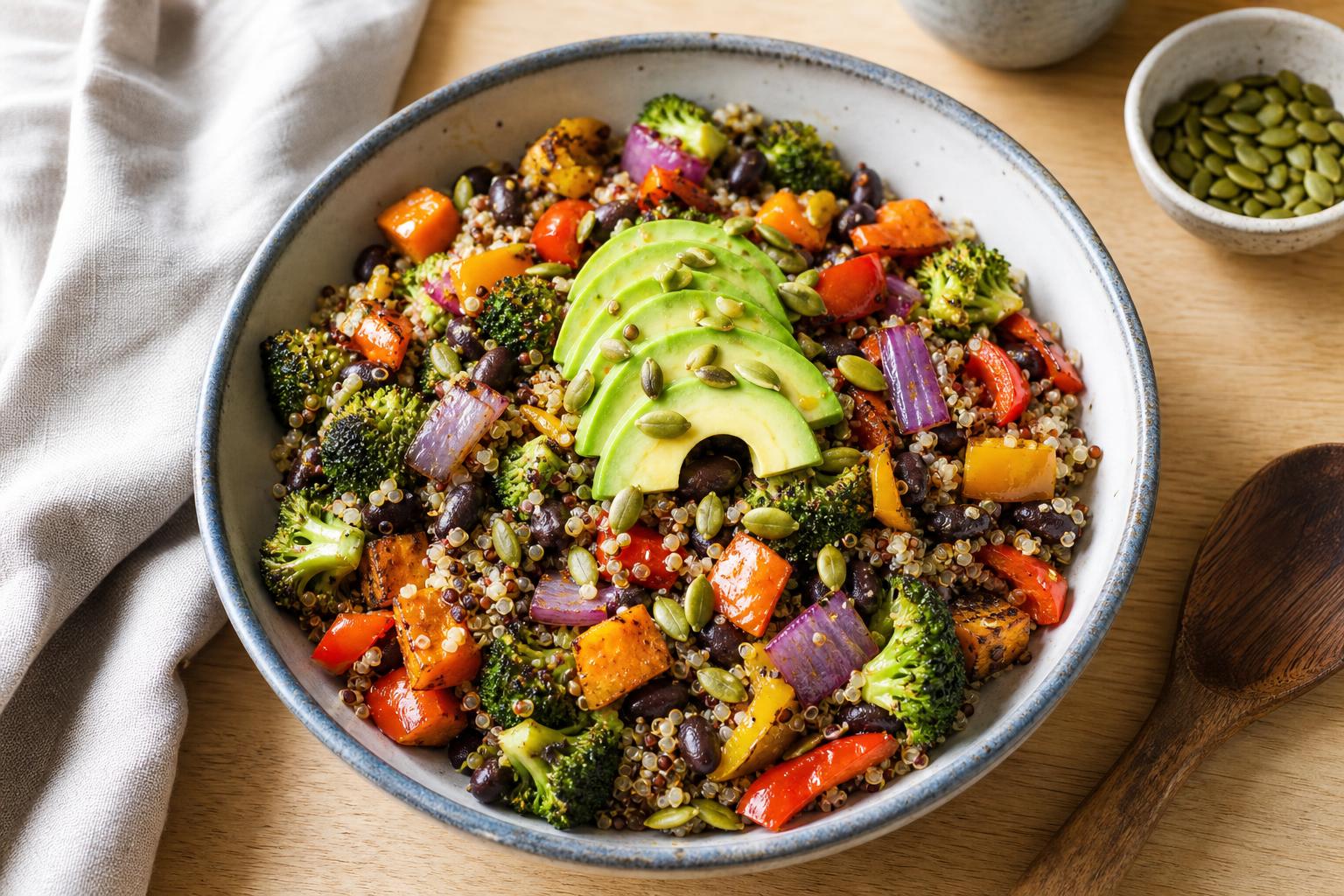
Dinner can center around a fiber-rich grain or legume as the foundation. Try brown rice with black beans, roasted vegetables, and a sprinkle of hemp seeds. Or build a meal around lentil soup with plenty of vegetables and a side of whole grain bread. These combinations easily provide 12-15 grams of fiber per serving.
Snacks become opportunities to add more fiber without much effort. Apple slices with almond butter, a small handful of nuts and dried fruit, or vegetable sticks with hummus all contribute meaningful amounts of fiber between meals.
Making the Transition Sustainable
Increasing fiber intake gradually helps your digestive system adjust without discomfort. If you're currently eating minimal fiber, jumping straight to 30+ grams daily might cause bloating or gas. Instead, add one high fiber food per meal and increase portions slowly over several weeks.
Drinking enough water becomes more important as you eat more fiber, since fiber absorbs water to do its job effectively. Without adequate hydration, increased fiber intake can sometimes cause constipation rather than improving digestive regularity.
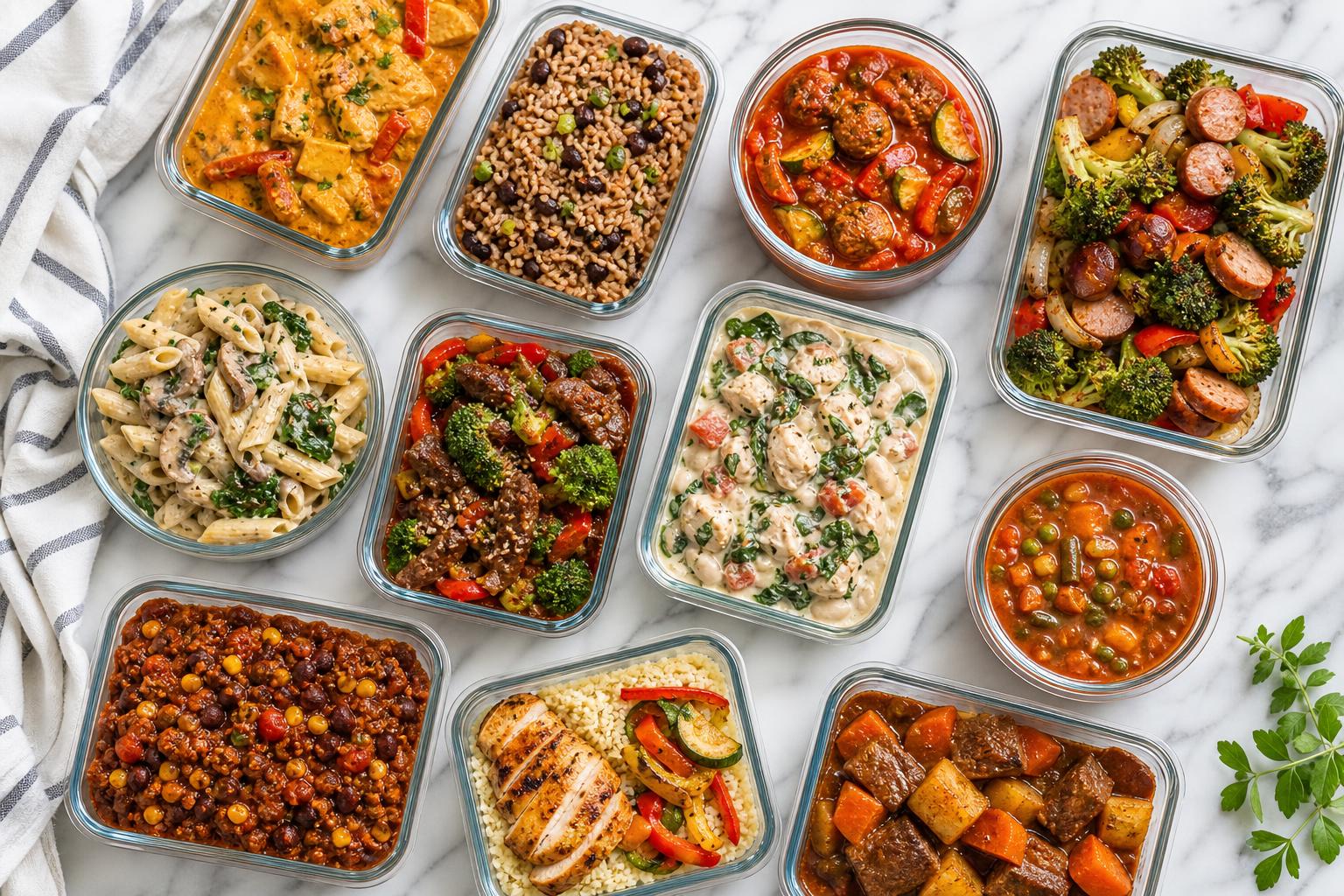
Meal prep makes high fiber eating more practical during busy weeks. Cook large batches of beans, lentils, and whole grains on weekends, then use them throughout the week in different combinations. Pre-cut vegetables and wash berries when you bring them home from the store. Having fiber-rich components ready to go removes the friction from putting together nutritious meals.
Seasoning and preparation methods keep high fiber foods interesting over time. Beans can be seasoned with cumin and chili powder for Mexican-inspired dishes, or with herbs and lemon for Mediterranean flavors. Whole grains take on the character of whatever you cook them with — vegetable broth instead of water, or a bay leaf added to the cooking liquid.
Troubleshooting Common Challenges
Some people experience digestive discomfort when increasing fiber intake too quickly. This usually resolves as your gut bacteria adjust to processing more fiber, but you can minimize issues by increasing intake gradually and staying well-hydrated. If certain high fiber foods consistently cause problems, try different preparation methods or smaller portions.
Finding variety in high fiber meals prevents boredom and helps you stick with the approach long-term. Rotate between different types of beans, try various whole grains beyond brown rice and quinoa, and experiment with seasonal vegetables. Each swap brings different nutrients along with the fiber.
Time constraints often derail good intentions around meal planning. Batch cooking high fiber components on less busy days creates building blocks for quick meals throughout the week. Canned beans (rinsed to reduce sodium) and frozen vegetables provide convenient shortcuts that don't sacrifice nutritional value.
If meal planning around your specific preferences, schedule, and health goals sounds appealing, that's exactly what MealAI does. The app creates personalized meal plans that can emphasize high fiber foods while accommodating your taste preferences and cooking style. It's free to try at usemealai.com.