The Reality of Gluten-Free Weeknight Cooking
Gluten-free cooking doesn't have to mean complicated ingredient lists or lengthy prep times. Many naturally gluten-free ingredients — rice, quinoa, potatoes, fresh vegetables, and proteins — form the foundation of satisfying dinners that come together quickly. The key is building a repertoire of reliable techniques that work with ingredients you can easily find.
Quick gluten-free meals often rely on one-pan methods, simple grain bases, or protein-and-vegetable combinations that cook simultaneously. Rice noodles soften in minutes, sweet potatoes roast faster when diced small, and many proteins cook through in the time it takes to prepare a simple side.
Rice and Noodle-Based Dinners
Rice noodles offer one of the fastest paths to a satisfying gluten-free dinner. Pad thai comes together in about 20 minutes — rice noodles soften in hot water while you scramble eggs and stir-fry vegetables. Fish sauce, lime juice, and a touch of sugar create the characteristic sweet-salty balance, while bean sprouts and peanuts add texture.
Fried rice transforms leftover rice into dinner with whatever vegetables and protein you have on hand. Day-old rice actually works better than fresh because it's drier and won't turn mushy. Heat oil in a large pan, scramble eggs, add the rice and vegetables, then season with gluten-free soy sauce or tamari. The whole process takes about 15 minutes.
Risotto might seem like a weekend project, but a simple version works for weeknights. Arborio rice, warm broth, and a few core ingredients — mushrooms, peas, or butternut squash — create a creamy dinner in about 25 minutes. The stirring is meditative rather than demanding, and you can prep vegetables while the rice cooks.
Protein-Centered Quick Meals
Thin-cut chicken breasts or pork chops cook through in 6-8 minutes per side, leaving plenty of time to prepare sides. A simple pan sauce made from the drippings, white wine or broth, and herbs elevates the protein without adding complexity. Serve over rice, quinoa, or with roasted vegetables that cook alongside the meat.
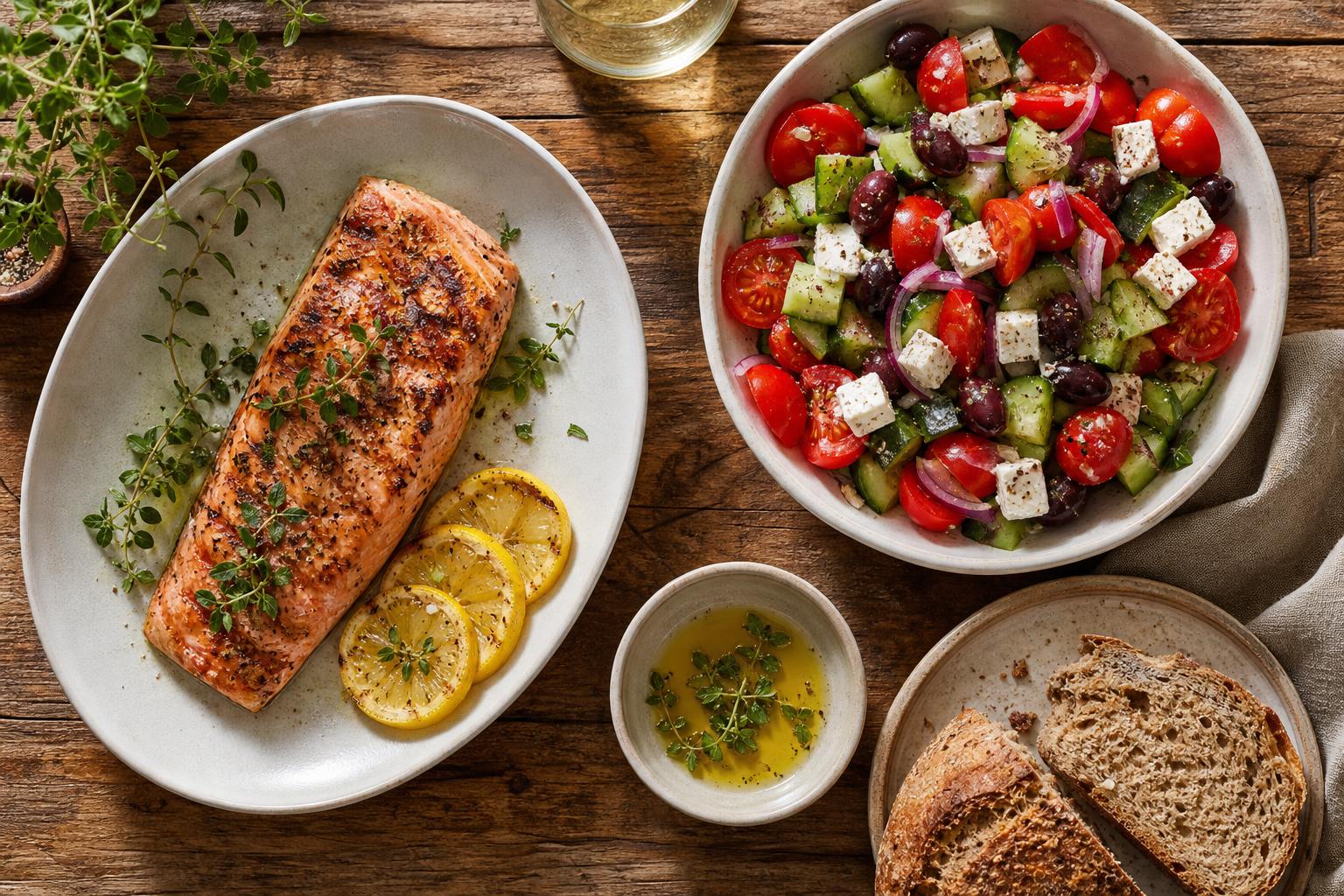
Salmon fillets need only 12-15 minutes in a 400°F oven, and they pair well with quickly roasted vegetables. Asparagus, broccoli, or halved Brussels sprouts roast in roughly the same timeframe. Season everything with olive oil, salt, and lemon juice for a complete meal that requires minimal hands-on time.
Shrimp cooks even faster — 2-3 minutes per side in a hot pan. Toss cooked shrimp with rice noodles, vegetables, and a simple sauce made from lime juice, fish sauce, and chili flakes. Or serve over quinoa with sautéed spinach and cherry tomatoes.
Vegetable-Forward Options
Stuffed sweet potatoes make substantial dinners without requiring multiple pots and pans. Pierce whole sweet potatoes and microwave for 8-10 minutes until tender, then stuff with black beans, cheese, and salsa. Or try Mediterranean flavors — chickpeas, feta, and herbs — for something different.
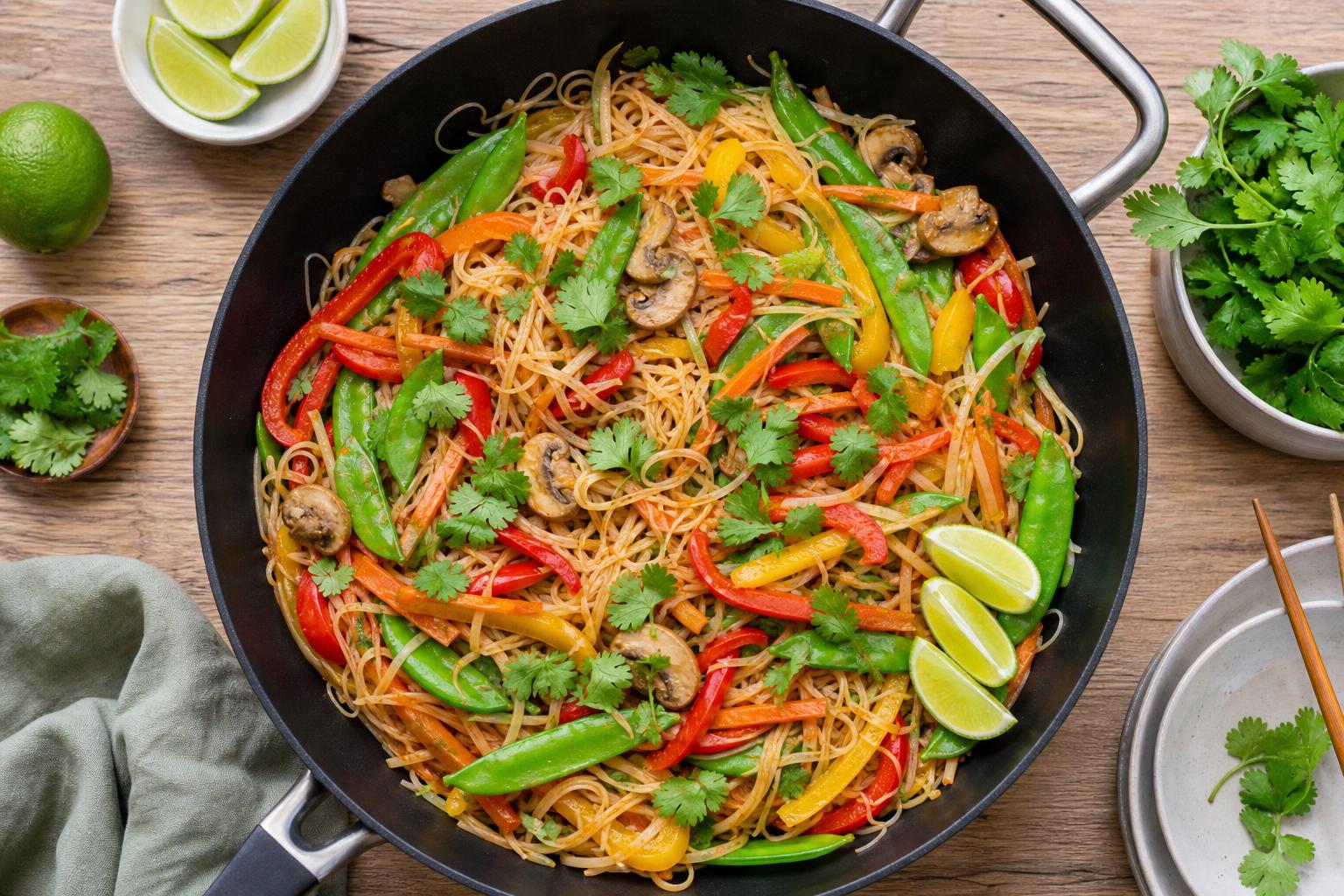
Stir-fries work with almost any combination of vegetables and take about 10 minutes once everything is prepped. The key is cutting vegetables into similar-sized pieces so they cook evenly. Start with harder vegetables like carrots and broccoli, then add softer ones like bell peppers and snap peas. Tamari, rice vinegar, and a touch of sesame oil make a simple sauce that doesn't require specialty ingredients.
Frittatas bridge the gap between breakfast and dinner, and they're naturally gluten-free. Sauté vegetables in an oven-safe pan, pour beaten eggs over them, then finish in the oven for 10-12 minutes. Cheese, herbs, or leftover roasted vegetables all work well as additions.
Smart Shortcuts and Prep Strategies
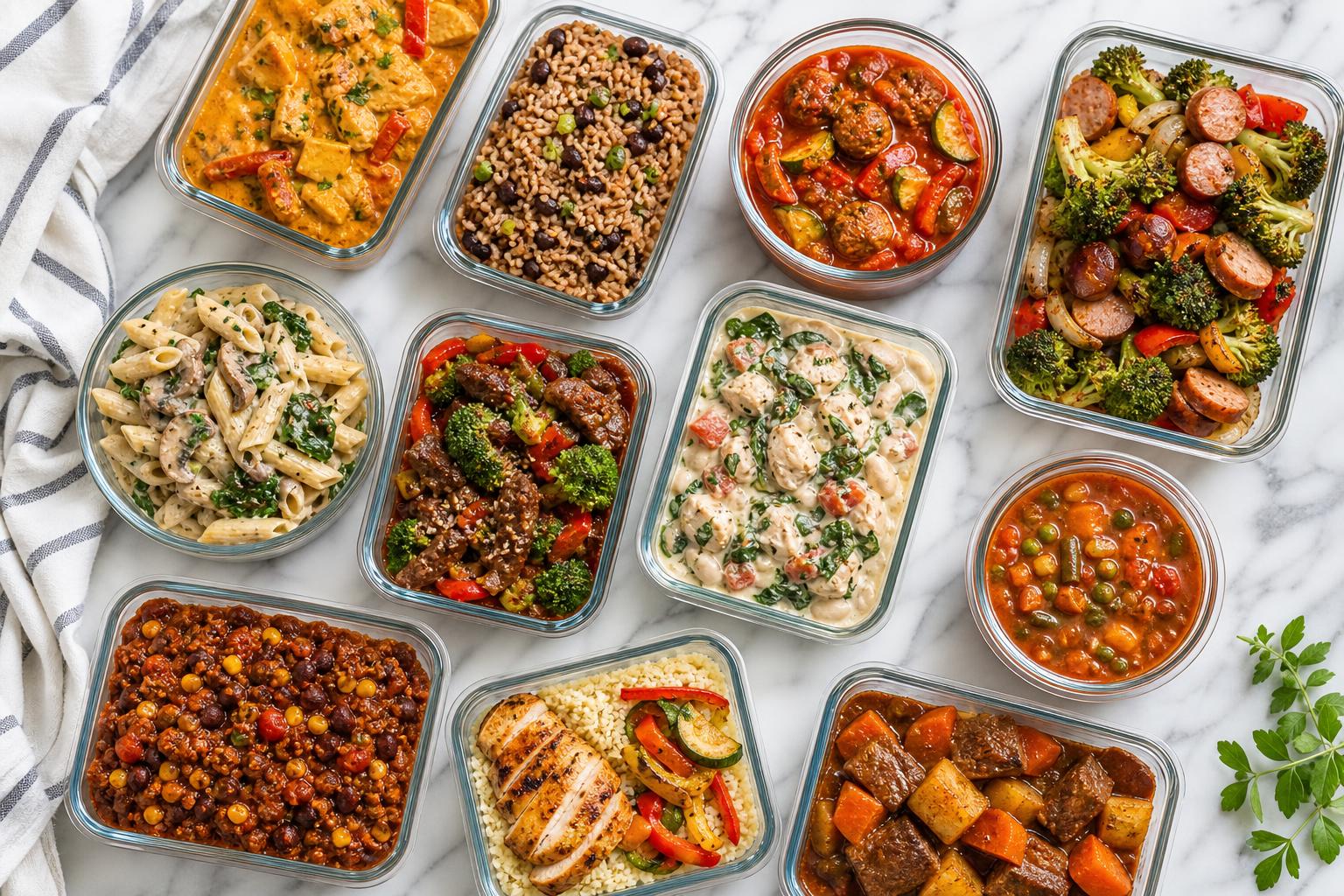
Keeping certain ingredients on hand makes 30-minute dinners more achievable. Rice noodles, quinoa, canned beans, frozen vegetables, and basic seasonings form the foundation of many quick meals. Gluten-free tamari, rice vinegar, and good olive oil handle most seasoning needs.
Pre-cutting vegetables when you have time — Sunday afternoon, perhaps — speeds up weeknight cooking significantly. Hardy vegetables like carrots, bell peppers, and broccoli keep well when cut and stored properly. Washing and chopping herbs in advance also saves precious minutes during busy evenings.
One-pan meals minimize both cooking time and cleanup. Sheet pan dinners — protein and vegetables roasted together — work particularly well for gluten-free cooking since there's no risk of cross-contamination from shared cooking surfaces. Season everything well, use high heat, and cut ingredients to similar sizes for even cooking.
Building Flavor Without Complexity
Simple seasoning combinations create satisfying flavors without requiring extensive spice collections. Lemon juice and herbs brighten most dishes, while garlic and olive oil provide a Mediterranean base. Asian-inspired meals benefit from the combination of tamari, rice vinegar, and fresh ginger.
Acid — from citrus, vinegar, or tomatoes — balances rich ingredients and makes simple dishes more interesting. A squeeze of lime transforms basic black beans and rice, while a splash of white wine vinegar brightens roasted vegetables. These small additions take seconds but make a noticeable difference in the final dish.
Fresh herbs added at the end of cooking provide color and flavor that dried herbs can't match. Cilantro, parsley, and basil are particularly versatile and widely available. Even a small amount scattered over a finished dish makes it feel more intentional and complete.
Quick gluten-free dinners don't require specialty products or complicated techniques — they rely on good ingredients prepared simply and seasoned well. With a few reliable methods and flexible recipes, weeknight dinners become less stressful and more enjoyable. If meal planning around your dietary needs, schedule, and preferences sounds helpful, that's exactly what MealAI does. It's free at usemealai.com.