You Don't Need Animal Products to Crush Your Fitness Goals
I get it. You're scrolling through fitness forums and everyone's talking about chicken, eggs, and protein shakes. Meanwhile, you're wondering if your plant-based diet can actually support your training.
Here's what I wish someone had told me years ago: vegan protein sources can absolutely fuel elite athletic performance. You just need to know which ones pack the biggest punch and how to combine them smartly.
Why Plant Based Athletes Are Crushing It
Look at athletes like Novak Djokovic, Venus Williams, and ultramarathoner Rich Roll. They're not just surviving on plants – they're thriving.
Vegan protein offers some unique advantages for athletes. Plant foods typically come with fiber, antioxidants, and phytonutrients that help with recovery and reduce inflammation. Plus, many plant proteins are easier to digest than their animal counterparts.
The key is hitting your protein targets consistently. Most athletes need 1.2-2.0 grams of protein per kilogram of body weight daily. For a 150-pound athlete, that's roughly 80-135 grams per day.
The High-Protein Vegan All-Stars
Before we jump into recipes, let's talk about your protein powerhouses. These ingredients should become your best friends:
Complete Proteins (contain all essential amino acids):
- Quinoa: 8g per cooked cup
- Hemp seeds: 10g per 3 tablespoons
- Chia seeds: 5g per 2 tablespoons
- Spirulina: 8g per 2 tablespoons
- Nutritional yeast: 8g per 2 tablespoons
Protein Champions:
- Lentils: 18g per cooked cup
- Black beans: 15g per cooked cup
- Tempeh: 31g per cup
- Tofu (extra-firm): 20g per cup
- Seitan: 25g per 3.5 oz
Sneaky Protein Boosters:
- Pumpkin seeds: 12g per 1/4 cup
- Tahini: 8g per 1/4 cup
- Pea protein powder: 20-25g per scoop
Power-Packed Breakfast: Champion's Quinoa Bowl
Total protein: 28g
This isn't your average breakfast bowl. It's designed to fuel morning workouts and keep you satisfied for hours.
Ingredients:
- 1 cup cooked quinoa (8g protein)
- 2 tbsp hemp seeds (7g protein)
- 1 tbsp almond butter (4g protein)
- 1 cup unsweetened soy milk (7g protein)
- 1 tbsp chia seeds (2g protein)
- 1/2 sliced banana
- 1 tsp maple syrup
- Cinnamon to taste
Instructions:
Cook your quinoa the night before and store it in the fridge. In the morning, warm it up with the soy milk. Top with hemp seeds, a dollop of almond butter, chia seeds, and banana slices. Drizzle with maple syrup and sprinkle cinnamon.
This bowl gives you complex carbs for sustained energy plus a complete amino acid profile. The healthy fats help with nutrient absorption and hormone production.
Pre-Workout Fuel: Green Goddess Smoothie
Total protein: 32g
Drink this 30-60 minutes before training. It's light enough that you won't feel sluggish, but packed with the nutrients your muscles need.
Ingredients:
- 1 scoop vanilla pea protein powder (25g protein)
- 1 cup spinach (1g protein)
- 1/2 frozen banana
- 1 tbsp almond butter (4g protein)
- 1 tbsp chia seeds (2g protein)
- 1 cup coconut water
- Ice cubes
- Squeeze of lemon
Instructions:
Blend everything until smooth. The spinach adds iron and folate without affecting the taste. The banana provides quick-digesting carbs, while the protein powder ensures your muscles have amino acids available during your workout.
Pro tip: Make chia seed ice cubes by freezing coconut water with chia seeds. They'll add extra protein and omega-3s to any smoothie.
Post-Workout Recovery: Mediterranean Lentil Power Bowl
Total protein: 35g
This is your muscle recovery meal. Eat it within 2 hours of training for optimal protein synthesis.
Ingredients:
- 1 cup cooked green lentils (18g protein)
- 1/4 cup hummus (5g protein)
- 1/4 cup hemp seeds (10g protein)
- 2 tbsp tahini dressing (2g protein)
- Mixed greens
- Cherry tomatoes
- Cucumber
- Red onion
- Kalamata olives
Tahini Dressing:
- 2 tbsp tahini
- 1 tbsp lemon juice
- 1 clove garlic, minced
- 2-3 tbsp water
- Salt and pepper to taste
Instructions:
Layer your greens in a bowl. Add warm lentils, then top with vegetables. Dollop hummus on one side and drizzle with tahini dressing. Sprinkle hemp seeds generously on top.
This combination gives you both fast and slow-digesting proteins, plus anti-inflammatory compounds from the vegetables and healthy fats from tahini and hemp seeds.
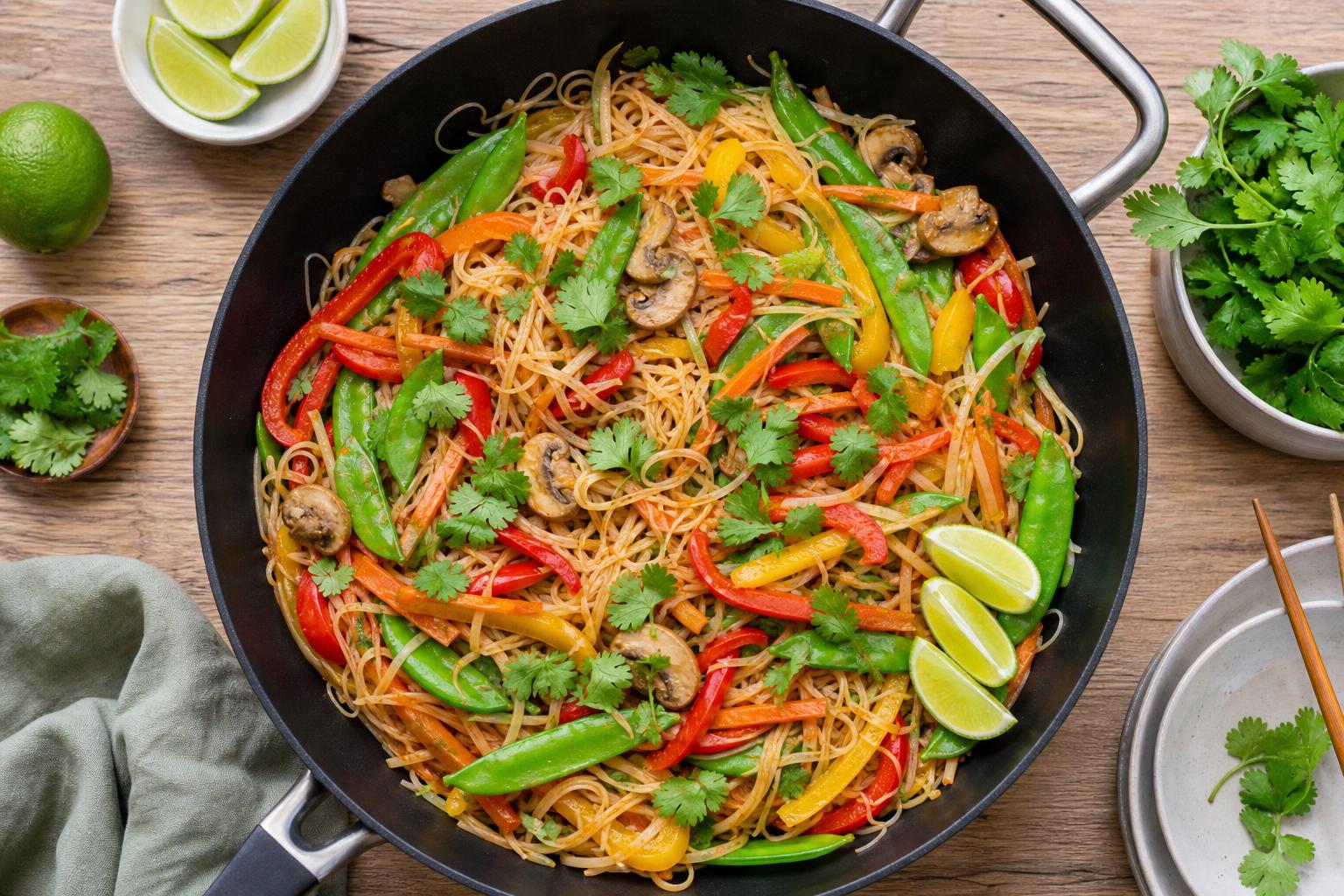
Dinner Champion: Protein-Packed Tempeh Stir-Fry
Total protein: 38g
This satisfying dinner will help your muscles recover overnight while you sleep.
Ingredients:
- 6 oz tempeh, cubed (25g protein)
- 1 cup cooked quinoa (8g protein)
- 2 tbsp pumpkin seeds (5g protein)
- Mixed stir-fry vegetables (broccoli, bell peppers, snap peas)
- 2 tbsp soy sauce
- 1 tbsp sesame oil
- 1 tsp fresh ginger, grated
- 2 cloves garlic, minced
- 1 tsp sriracha (optional)
Instructions:
Steam the tempeh for 10 minutes, then cube it. Heat sesame oil in a large pan and sauté the tempeh until golden. Add garlic and ginger, cook for 30 seconds. Toss in vegetables and stir-fry until crisp-tender. Add soy sauce and sriracha. Serve over quinoa and top with pumpkin seeds.
Tempeh is fermented, making it easier to digest than regular tofu. The fermentation process also adds probiotics, which support gut health and nutrient absorption.
Smart Snacking: High Protein Vegan Options
Sometimes you need quick protein between meals. Here are snacks that actually move the needle:
Energy Balls (makes 12, 6g protein each):
- 1 cup dates, pitted
- 1/2 cup protein powder
- 1/4 cup almond butter
- 2 tbsp chia seeds
- 2 tbsp hemp seeds
Blend dates until they form a paste. Mix in remaining ingredients. Roll into balls and refrigerate.
Other Smart Snacks:
- Roasted chickpeas (6g per 1/2 cup)
- Edamame (8g per 1/2 cup)
- Trail mix with pumpkin seeds and hemp seeds (8-10g per 1/4 cup)
- Apple slices with almond butter (8g with 2 tbsp almond butter)
Timing Your Protein for Maximum Gains
When you eat protein matters almost as much as how much you eat. Your body can only use about 20-25 grams of protein at once for muscle building.
This means spreading your protein throughout the day works better than cramming it all into one massive post-workout meal.
Optimal timing:
- Pre-workout: 15-20g (1-2 hours before)
- Post-workout: 20-25g (within 2 hours)
- Before bed: 15-20g (casein-like proteins work best)
For plant proteins, combining different sources gives you a complete amino acid profile. Think beans with rice, or hummus with whole grain pita.
Common Mistakes That Kill Your Progress
Not eating enough calories. Protein needs increase when you're in a caloric deficit. If you're cutting weight, aim for the higher end of protein recommendations.
Forgetting about leucine. This amino acid triggers muscle protein synthesis. Vegan sources include spirulina, hemp seeds, and pea protein. Aim for 2-3g of leucine per meal.
Skipping variety. Eating the same protein sources every day can lead to amino acid imbalances. Rotate between legumes, grains, seeds, and protein powders.
Ignoring digestibility. Some people struggle with large amounts of beans or certain protein powders. Start slowly and pay attention to how your body responds.
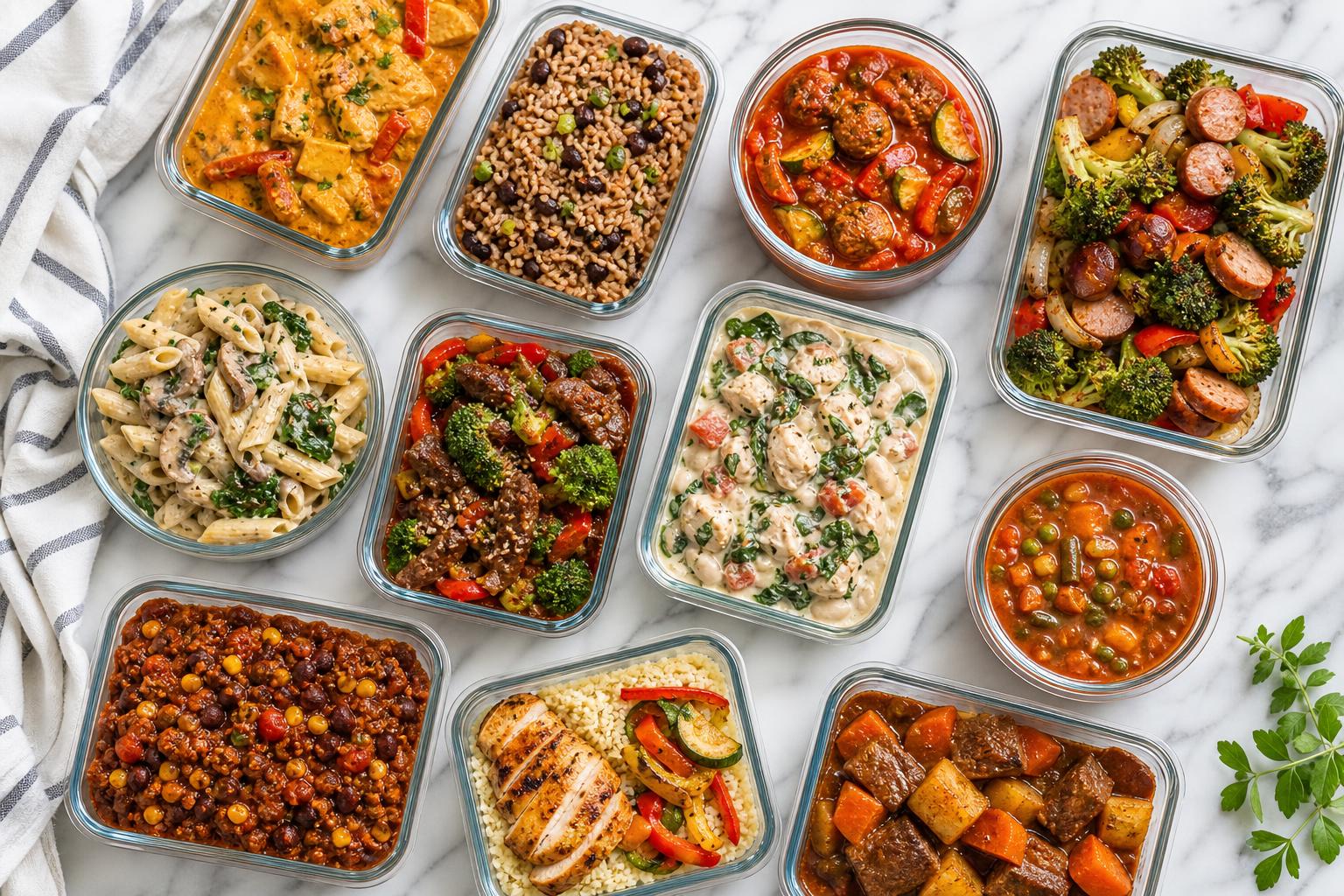
Meal Prep Like a Pro
Batch cooking saves time and ensures you always have high-protein options ready.
Sunday prep essentials:
- Cook 2-3 cups of quinoa
- Prepare 2 cups of lentils or beans
- Make energy balls for the week
- Pre-cut vegetables for stir-fries
- Mix protein powder portions into individual containers
Store cooked grains and legumes in glass containers. They'll keep for 4-5 days in the refrigerator and freeze well for up to 3 months.
Supplements Worth Considering
Whole foods should be your foundation, but a few supplements can fill gaps:
Pea or hemp protein powder makes hitting protein targets easier, especially post-workout.
B12 is essential since it's not found in plant foods. Take 250mcg daily or 2500mcg weekly.
Creatine monohydrate (3-5g daily) supports power and strength. It's naturally vegan and one of the most researched sports supplements.
Vitamin D3 if you're not getting enough sun exposure.
Your Plant-Powered Performance Plan
Building muscle and performing at your peak on a vegan diet isn't just possible – it can give you an edge. The anti-inflammatory properties of plant foods often lead to faster recovery and better training consistency.
Start with one or two of these recipes and gradually expand your repertoire. Track your protein intake for a week to see where you stand. Most people are surprised to find they're eating less protein than they thought.
Remember, consistency beats perfection. You don't need to nail your protein target every single day, but you should hit it most days.
If you're looking for more personalized meal plans that hit your exact protein and calorie targets, MealAI can create custom vegan meal plans based on your training schedule and preferences. Try it free at usemealai.com.