The Reality of Weeknight Cooking
Most busy professionals face the same evening dilemma: arriving home exhausted with no clear dinner plan. The default becomes takeout, delivery apps, or whatever's quickest in the freezer. While convenient, this pattern often leaves you spending more money and eating less satisfying meals than you'd prefer.
Meal prep offers a different path. Instead of making dinner decisions when you're tired and hungry, you front-load the work into a focused Sunday session. The key is treating those two hours like a small cooking project — with clear goals, efficient techniques, and realistic expectations about what you can accomplish.
Setting Up Your Prep Session
Before you start cooking, spend fifteen minutes organizing your approach. Check what proteins, grains, and vegetables you already have on hand, then plan around those ingredients to minimize grocery shopping. Choose recipes that share common elements — if you're roasting vegetables, prepare enough for multiple meals. If you're cooking grains, make extra portions that can serve different purposes throughout the week.
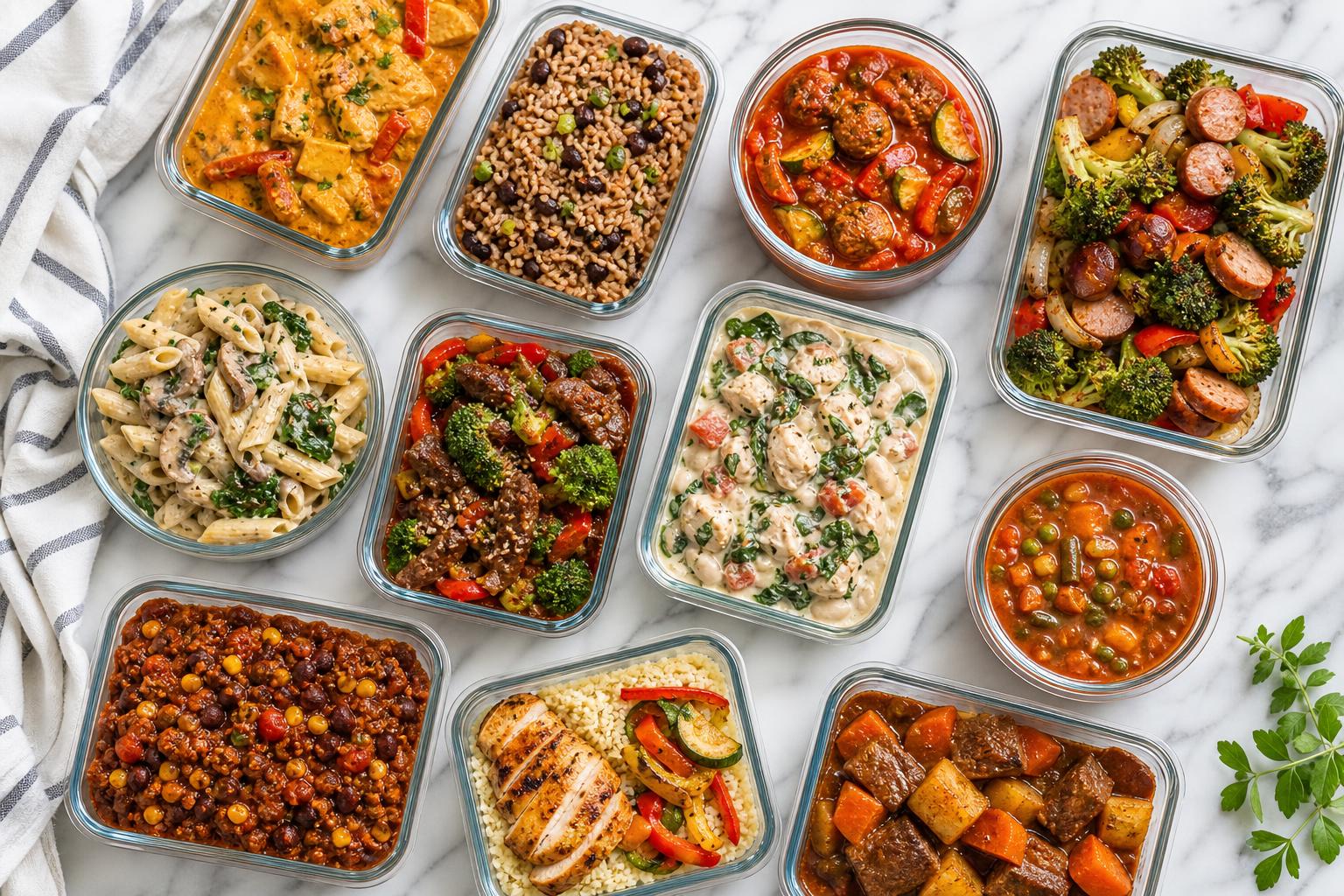
Your prep session works best when you focus on components rather than complete meals. Instead of assembling five identical lunch containers, prepare versatile building blocks: seasoned proteins, cooked grains, roasted vegetables, and simple sauces. This approach gives you flexibility to mix and match based on your daily preferences while still eliminating the weeknight cooking burden.
Clear your kitchen workspace and gather all necessary containers before you begin. Glass storage containers work particularly well because they're microwave-safe and let you see contents at a glance. Having everything ready prevents mid-cooking scrambles for storage solutions.
Batch Cooking Techniques That Save Time
The most efficient meal prep leverages your oven's capacity and your stovetop simultaneously. Start with items that take longest — whole grains like brown rice or farro, slow-roasted proteins, or large batches of soup or chili. While those cook, use your stovetop for quicker tasks like sautéing vegetables or preparing sauces.
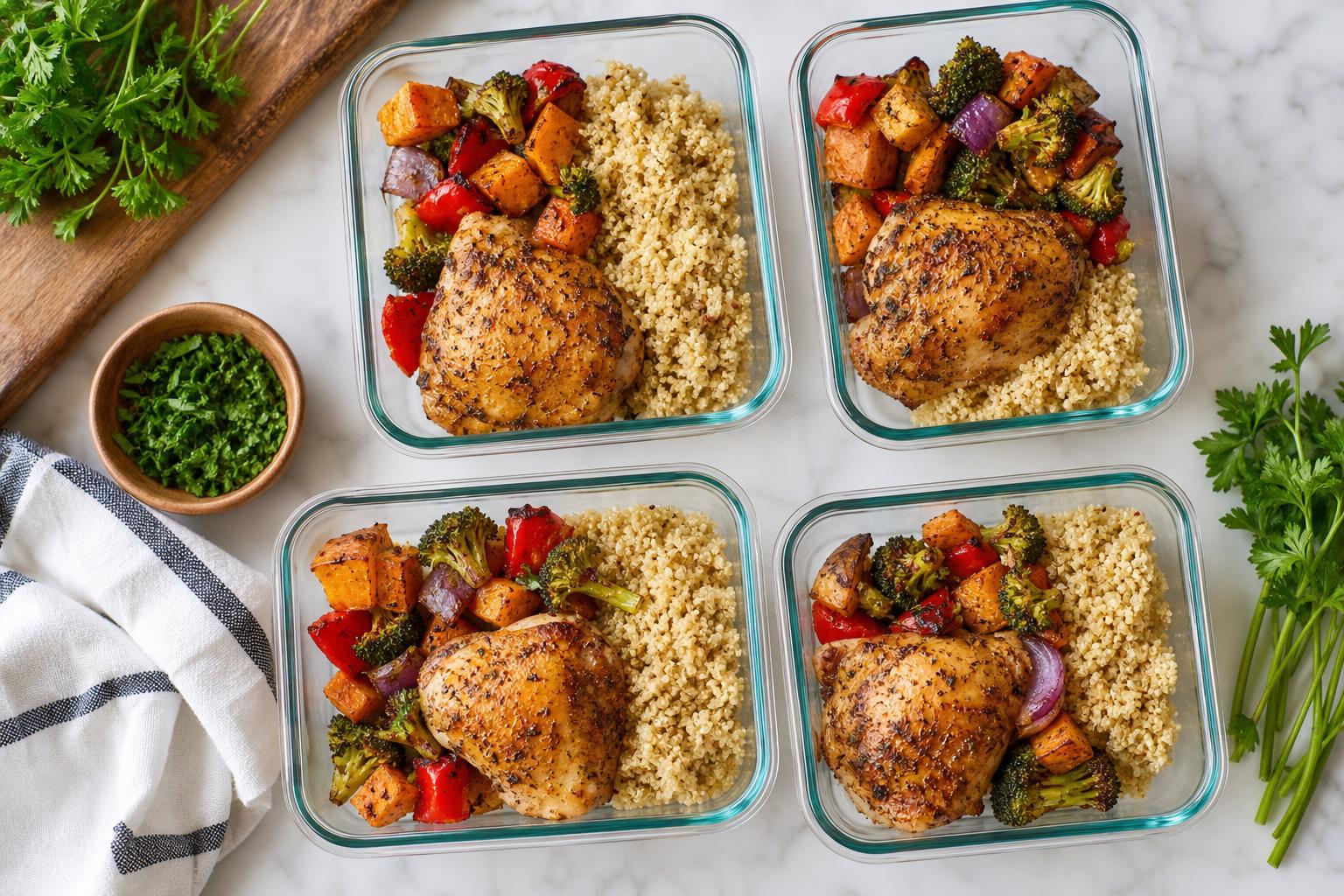
Roasting multiple sheet pans of vegetables transforms your weekly meal foundation. Cut vegetables into similar-sized pieces, toss with oil and seasonings, then roast at high heat until caramelized. Root vegetables, Brussels sprouts, broccoli, and bell peppers all work well and maintain good texture when reheated. Season each pan differently — Mediterranean herbs on one, Asian-inspired flavors on another — to prevent flavor fatigue during the week.
For proteins, consider techniques that yield tender, reheatable results. Slow-roasted chicken thighs stay moist better than lean cuts. Braised proteins like pot roast or pulled pork actually improve after a day in the refrigerator. Even simple preparations like baked salmon or seasoned ground turkey provide reliable protein sources that work in multiple meal contexts.
Smart Storage and Reheating
Proper storage determines whether your prepped food tastes fresh on Thursday or dried out and unappealing. Store components separately when possible — keep sauces and dressings in small containers to add just before eating. This prevents soggy vegetables and maintains distinct flavors and textures.
Label containers with contents and prep date using masking tape or a permanent marker. Most cooked proteins and vegetables maintain good quality for four to five days refrigerated, while cooked grains often last even longer. Freeze portions you won't use within that timeframe rather than letting them deteriorate in the refrigerator.
Reheating technique matters as much as initial cooking. Add a splash of water or broth when reheating grains to restore moisture. Reheat proteins gently to avoid overcooking. Some items like roasted vegetables actually taste great at room temperature, eliminating reheating entirely for quick lunches.
Building Flexible Weekly Menus
The most sustainable meal prep approach creates options rather than rigid meal plans. With prepared proteins, grains, and vegetables on hand, you can quickly assemble different combinations based on your daily preferences. Monday's grain bowl with roasted chicken and vegetables becomes Tuesday's wrap filling or Wednesday's soup addition.
Consider preparing one or two sauces or dressings that complement your prepped ingredients. A simple vinaigrette, tahini sauce, or herb oil can dramatically change the flavor profile of the same basic components. These finishing touches prevent the monotony that sometimes derails meal prep efforts.
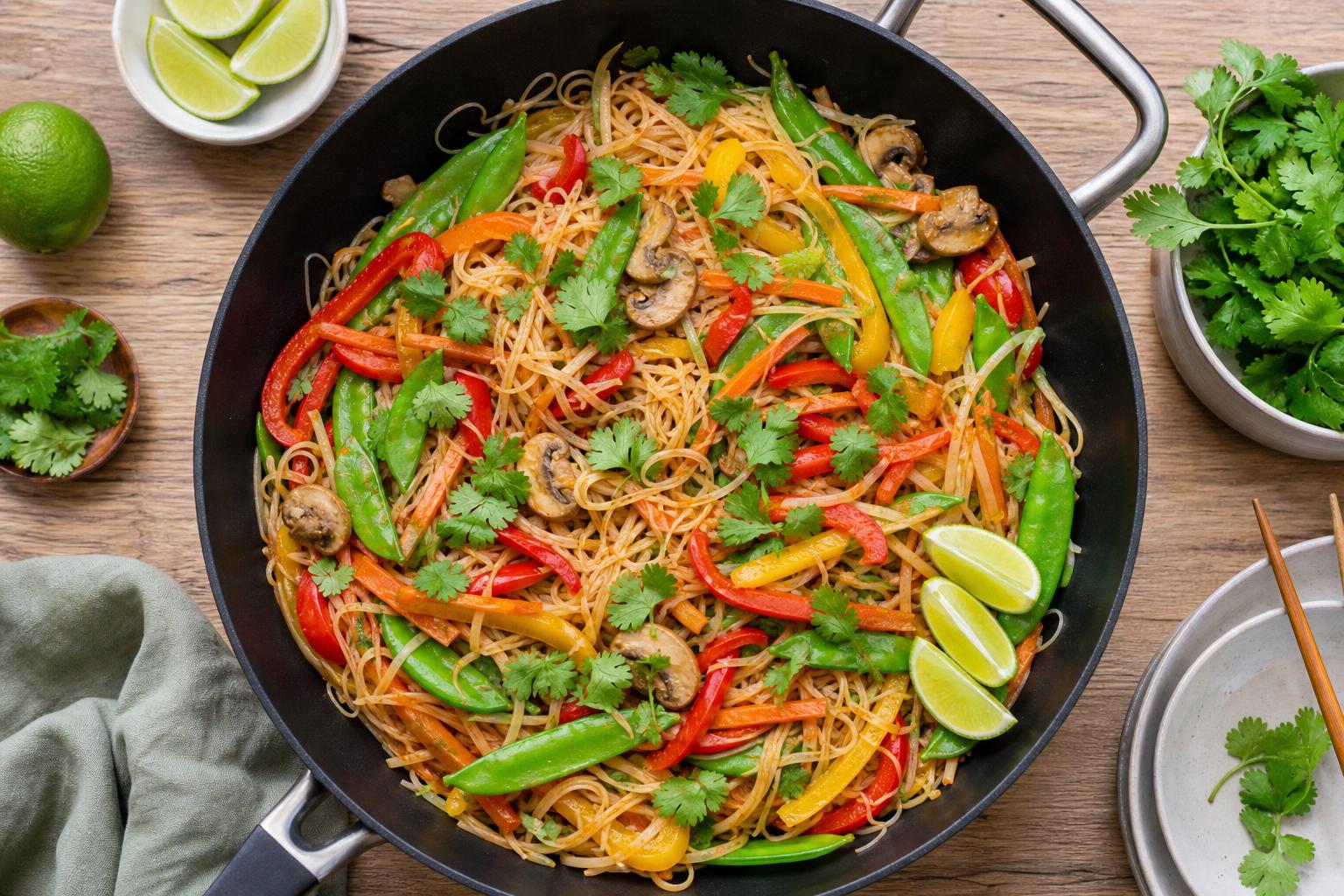
Plan for at least one completely different meal during the week — perhaps a simple pasta dish or quick stir-fry using fresh ingredients. This breaks up the routine while still maintaining the convenience of having most meals handled through your Sunday prep work.
Making It Sustainable
Successful meal prep becomes a sustainable habit when you start small and build gradually. Begin with preparing just two or three meal components rather than attempting to prep every meal for the week. Focus on the meals that cause you the most stress — often lunch or the first few weeknight dinners when motivation is lowest.
Adapt your prep routine based on what actually works in your schedule and kitchen. Some people prefer preparing everything on Sunday, while others split tasks between Sunday and Wednesday. Some focus primarily on dinner prep, while others prioritize having lunch ready. The best approach is the one you'll consistently maintain.
Track which prepped items you actually eat and which go to waste. This information helps you adjust portions and focus your prep time on the most useful components. Over time, you'll develop a sense of what quantity of each item serves your weekly needs without excess.
If meal planning around your schedule, dietary preferences, and favorite cuisines sounds useful, that's exactly what MealAI does. The app helps busy professionals create realistic meal prep plans that fit their actual lives, not idealized versions of their cooking ambitions. It's free at usemealai.com.