What Makes the Mediterranean Diet Different
The Mediterranean diet draws from the traditional eating patterns of countries bordering the Mediterranean Sea — Greece, Italy, Spain, and southern France. Rather than a restrictive plan with calorie counting or forbidden foods, it's a way of eating that prioritizes whole foods, seasonal ingredients, and healthy fats. Olive oil replaces butter and other saturated fats, while fish and seafood take center stage over red meat. Fresh vegetables, legumes, whole grains, and moderate amounts of dairy round out the foundation.
This approach to eating has gained attention for its potential connections to longevity and overall health. The diet's emphasis on anti-inflammatory foods like fatty fish, nuts, and colorful vegetables provides a steady supply of nutrients that support heart health and cognitive function. Unlike many modern diets that eliminate entire food groups, the Mediterranean approach includes a wide variety of foods, making it more sustainable for long-term adherence.
What sets this diet apart is its flexibility and focus on enjoyment. Meals are meant to be shared, savored, and built around fresh, local ingredients when possible. Wine in moderation is often included with meals, and there's room for occasional treats. This balanced approach makes the Mediterranean diet feel less like a restriction and more like a lifestyle shift toward more thoughtful eating.
Core Foods and Ingredients
Building a Mediterranean-style kitchen starts with stocking the right ingredients. Extra virgin olive oil becomes your primary cooking fat and salad dressing base, replacing butter, margarine, and other processed oils. Look for cold-pressed varieties in dark bottles or tins to preserve flavor and nutrients. You'll use olive oil for everything from sautéing vegetables to drizzling over finished dishes.
Fish and seafood appear on the table several times per week, with an emphasis on fatty fish rich in omega-3 fatty acids. Salmon, sardines, mackerel, and anchovies are excellent choices, along with whatever fresh catch is available in your area. When fresh fish isn't accessible, frozen options work well for most preparations. Canned fish like sardines and anchovies also provide convenient protein for quick meals and can add depth to pasta sauces and salads.
Vegetables and fruits form the backbone of every meal, with a focus on seasonal variety and minimal processing. Tomatoes, cucumbers, bell peppers, eggplant, zucchini, and leafy greens appear frequently, often prepared simply with olive oil and herbs. Legumes like chickpeas, lentils, and white beans provide protein and fiber, while whole grains such as bulgur, farro, and brown rice offer satisfying bases for meals.
Nuts, seeds, and moderate amounts of dairy complete the picture. Almonds, walnuts, and pine nuts add texture and healthy fats to dishes, while Greek yogurt and small amounts of cheese like feta or Parmesan provide calcium and protein. Fresh herbs — basil, oregano, parsley, and rosemary — bring brightness to simple preparations.
Planning Your First Mediterranean Meals
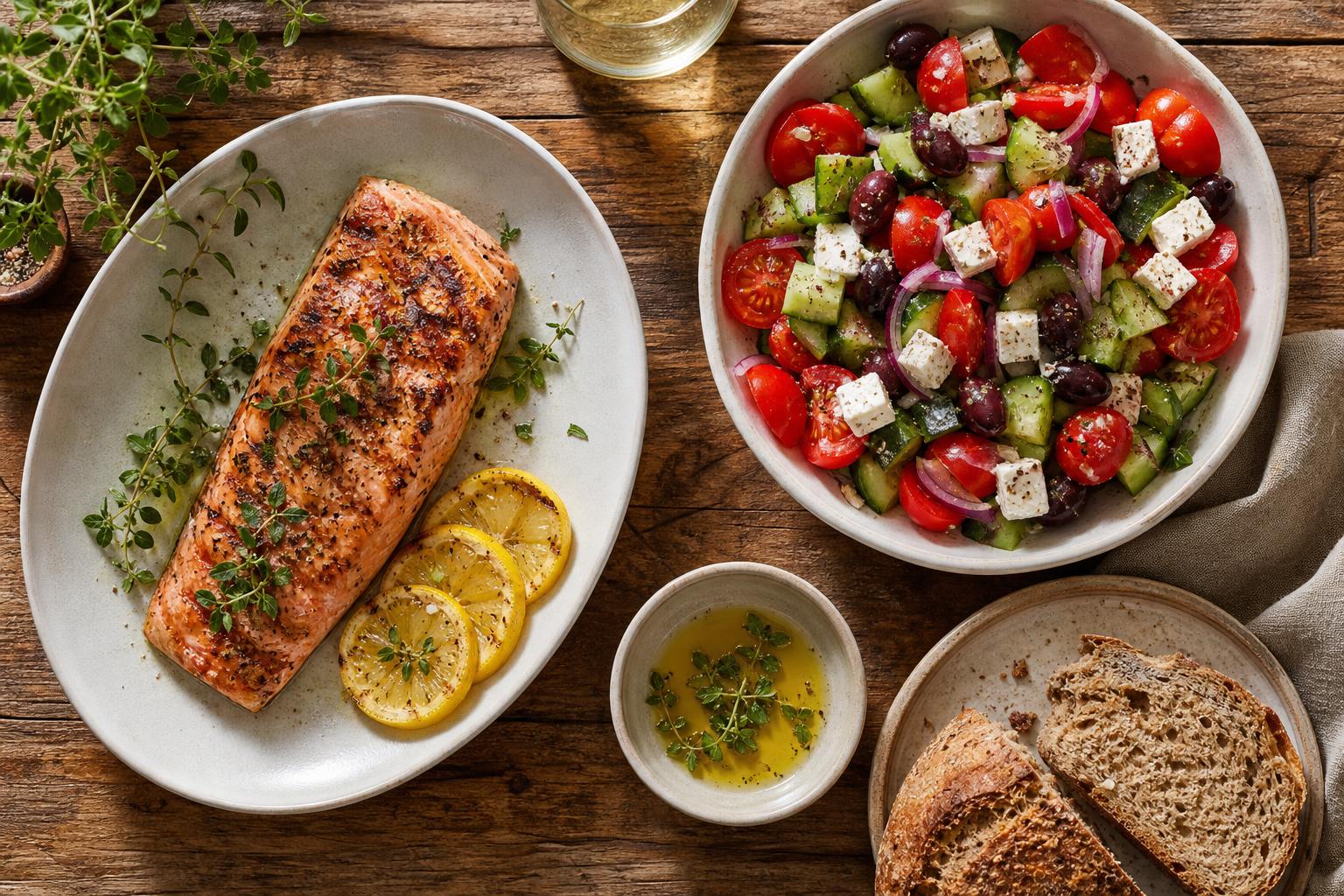
Starting with familiar flavors makes the transition easier. A simple Greek salad with tomatoes, cucumbers, olives, and feta dressed in olive oil and lemon juice requires no cooking and introduces several key ingredients. Pair it with grilled fish or a piece of whole grain bread for a complete meal. Focus on one or two Mediterranean elements per meal rather than overhauling your entire eating pattern overnight.
Breakfast can be as simple as Greek yogurt topped with nuts and a drizzle of honey, or whole grain toast with mashed avocado and a sprinkle of sea salt. For something more substantial, try a vegetable omelet cooked in olive oil with fresh herbs. The key is moving away from heavily processed breakfast foods toward whole ingredients that provide sustained energy.
Lunch and dinner follow similar principles: start with vegetables, add a protein source like fish or legumes, include some whole grains or starchy vegetables, and finish with good fats from olive oil, nuts, or avocado. A bowl of lentil soup with a side of crusty bread and olive oil for dipping makes a satisfying lunch. For dinner, try roasted vegetables with white beans and a piece of grilled salmon, all drizzled with olive oil and lemon.
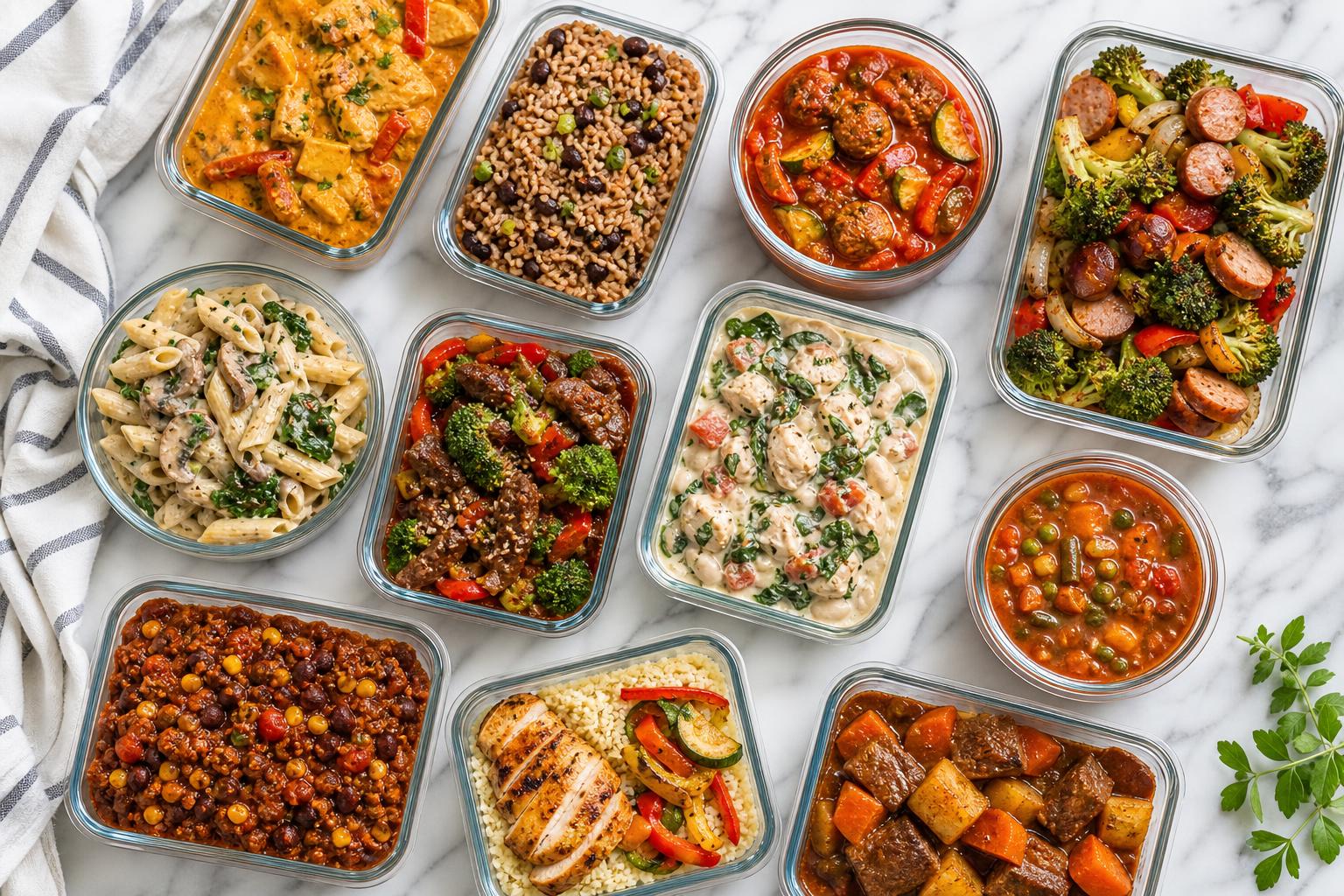
Meal preparation becomes simpler when you think in terms of building blocks rather than complex recipes. Roast a large batch of vegetables at the beginning of the week, cook some grains and legumes, and keep good olive oil and fresh lemons on hand. These components can be mixed and matched throughout the week for quick, satisfying meals.
Making It Work Long-Term
The Mediterranean diet succeeds because it doesn't require perfection or rigid adherence to complex rules. Aim for progress over perfection, gradually incorporating more Mediterranean-style meals into your routine. Start by replacing one or two meals per week, then slowly expand as the new flavors and cooking methods become more familiar.
Seasonal eating plays a significant role in traditional Mediterranean cuisine, and following this principle can keep meals interesting while often reducing costs. Summer calls for fresh tomatoes, cucumbers, and stone fruits, while winter brings heartier fare like roasted root vegetables and warming stews with beans and greens. Shopping at farmers markets or joining a community-supported agriculture program can help you discover new vegetables and connect with seasonal rhythms.
Don't feel pressured to eliminate all non-Mediterranean foods from your diet. The goal is to shift the balance toward more whole foods, healthy fats, and plant-based meals while reducing processed foods and red meat. If you enjoy foods that don't fit the Mediterranean template, work them in occasionally while making the majority of your meals align with Mediterranean principles.
Cooking methods matter as much as ingredients. The Mediterranean approach favors simple preparations that highlight natural flavors — grilling, roasting, and light sautéing rather than heavy sauces or deep frying. Learning a few basic techniques like making a good vinaigrette or properly roasting vegetables will serve you well across many different meals.
Building Sustainable Habits
Success with the Mediterranean diet often comes down to preparation and mindset. Keep your pantry stocked with shelf-stable essentials like olive oil, canned tomatoes, dried legumes, whole grains, and canned fish. These ingredients form the foundation for countless meals and ensure you can always prepare something satisfying without a special shopping trip.
Embrace the social aspects of Mediterranean eating by sharing meals with others when possible and taking time to enjoy your food rather than rushing through meals. This mindful approach to eating often leads to better satisfaction and natural portion control. Set the table, put away distractions, and focus on the flavors and textures of your food.
Experiment with new ingredients gradually rather than trying to master everything at once. If you've never cooked with anchovies, start by adding a small amount to a pasta sauce where their flavor will be subtle but noticeable. If bulgur wheat is unfamiliar, try it as a substitute for rice in a dish you already know how to make. Small experiments build confidence and expand your repertoire without overwhelming your routine.
Remember that the Mediterranean diet is as much about what you add as what you remove. Focus on incorporating more vegetables, switching to olive oil, and eating fish more frequently rather than obsessing over eliminating specific foods. This positive approach makes the changes feel abundant rather than restrictive.
If meal planning around Mediterranean principles — balancing fresh ingredients with your schedule, preferences, and goals — sounds appealing, that's exactly what MealAI helps with. The app can suggest Mediterranean-style meals based on your tastes and generate shopping lists to make the process smoother. It's free to try at usemealai.com.