Understanding Plant-Based Protein Fundamentals
Plant protein forms the backbone of successful vegan meal planning, but it requires a different approach than animal-based proteins. Unlike meat or dairy, most plant proteins are incomplete — meaning they don't contain all nine essential amino acids your body needs in optimal ratios. The key lies in combining different protein sources throughout your day to create a complete amino acid profile.
Legumes like lentils, chickpeas, and black beans excel in lysine but fall short on methionine. Grains and nuts flip this pattern, offering plenty of methionine while lacking lysine. Seeds like hemp and chia stand out as naturally complete proteins, containing all essential amino acids in good proportions. Quinoa and buckwheat also qualify as complete proteins, making them particularly valuable for vegan meal planners.
The beauty of plant protein lies in its variety — you're not limited to a handful of sources like traditional meat-centered diets. Tempeh, tofu, nutritional yeast, spirulina, and even vegetables like broccoli and spinach contribute meaningful protein to your daily intake.
Building Your Plant Protein Foundation
Successful plant-based meal planning starts with stocking versatile, protein-rich staples that work across multiple cuisines and cooking methods. Dried legumes offer the best value and longest shelf life, though canned versions provide convenience for quick meal assembly. Lentils cook fastest among dried legumes — red lentils break down in just 15 minutes, making them perfect for weeknight curries or pasta sauces.
Tofu and tempeh require different handling but both absorb flavors beautifully. Firm tofu works best for stir-fries and grilling, while silken varieties blend into smoothies, sauces, and desserts. Tempeh's nutty, fermented flavor makes it excellent for marinades and crumbled applications where you want texture contrast.
Nuts and seeds function as both protein sources and flavor enhancers. Tahini transforms simple vegetables into rich, satisfying dishes. Hemp hearts sprinkle easily onto salads, oatmeal, or yogurt alternatives. Almonds, walnuts, and cashews provide protein while adding richness to both sweet and savory preparations.
Strategic Protein Combining for Meal Planning
The classic rice-and-beans combination exemplifies smart protein pairing, but modern plant-based cooking offers far more interesting approaches. Think hummus with whole grain pita, almond butter on sprouted grain toast, or a quinoa salad studded with chickpeas and pumpkin seeds. These combinations happen naturally when you plan meals around whole foods rather than trying to replicate meat-centered dishes.
Breakfast presents unique opportunities for creative protein combining. Overnight oats made with almond milk, chia seeds, and a spoonful of nut butter delivers complete protein alongside fiber and healthy fats. Smoothies blend multiple protein sources seamlessly — try hemp hearts, spirulina, and almond butter with your favorite fruits.
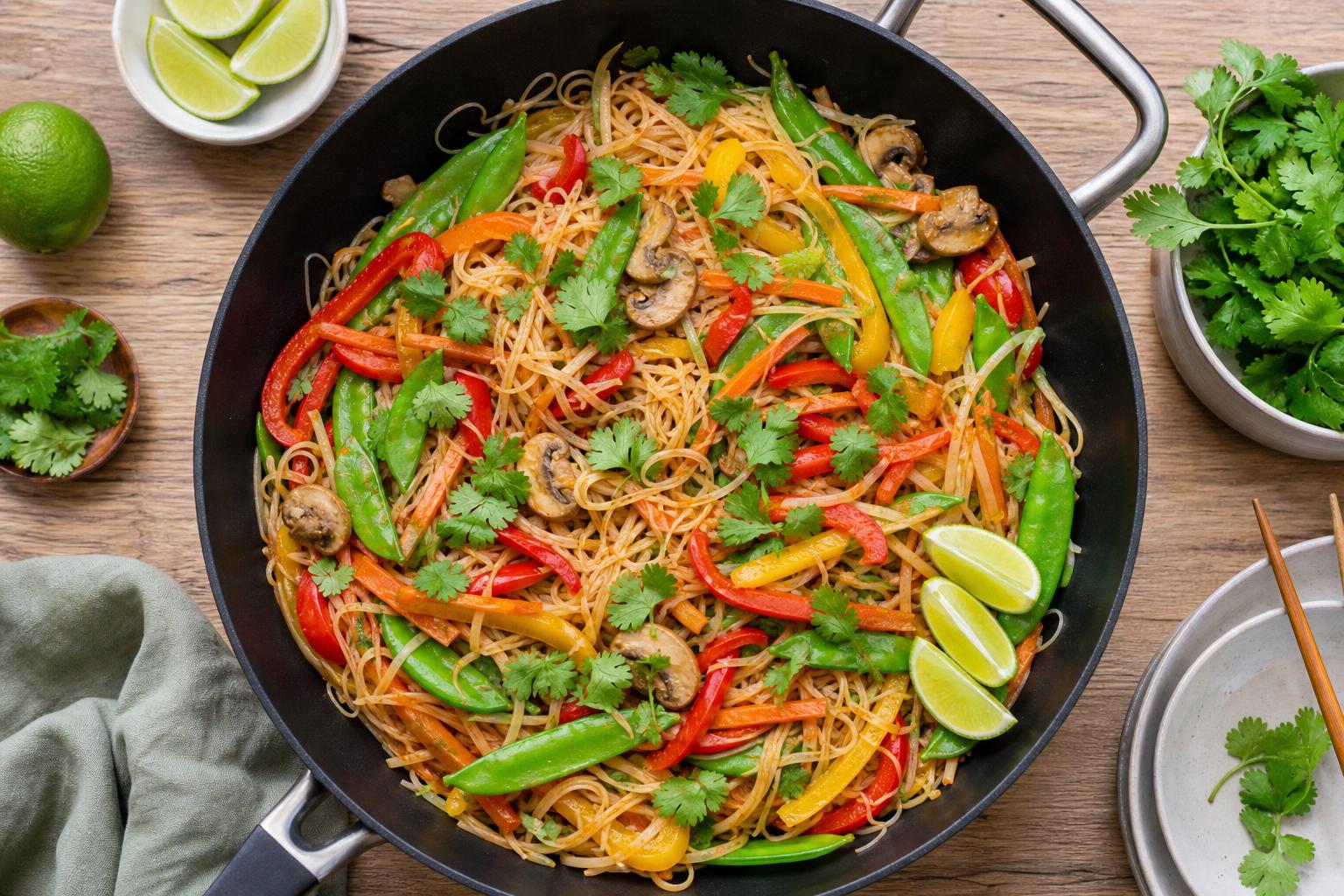
Dinner planning becomes simpler when you think in terms of protein-rich bases rather than protein-as-centerpiece. A hearty lentil and vegetable stew served over quinoa provides complete nutrition while feeling satisfying and substantial. Stir-fried tempeh with cashews over brown rice hits the same nutritional targets with entirely different flavors.
Practical Meal Planning Strategies
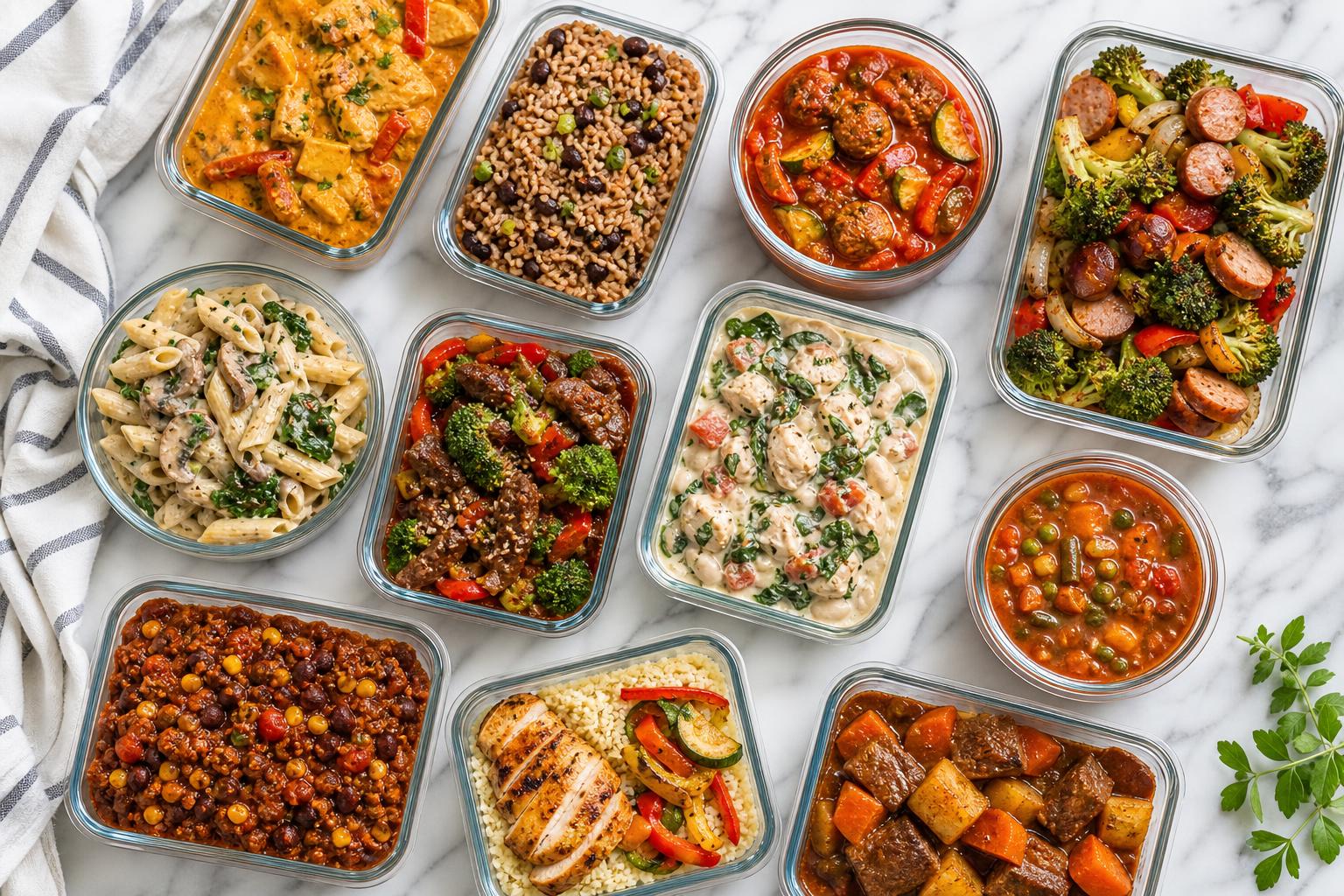
Batch cooking legumes transforms weeknight meal preparation from chore to simple assembly. Cook large batches of different beans and lentils on weekends, then portion and freeze in meal-sized containers. This approach gives you protein-rich building blocks ready for quick curries, salads, soups, or grain bowls throughout the week.
Meal planning around seasonal produce keeps plant-based eating interesting while ensuring nutritional variety. Summer's abundance of fresh vegetables pairs beautifully with lighter proteins like hemp seeds in salads or cold bean-based dishes. Winter calls for heartier combinations — think split pea soup with tahini swirls or roasted vegetables over protein-rich ancient grains.
Planning complete meals rather than individual dishes ensures better nutrition and reduces daily decision fatigue. A typical day might include chia pudding with almond butter for breakfast, a chickpea and tahini salad for lunch, and tempeh stir-fry over quinoa for dinner. Each meal provides complete protein while offering distinct flavors and textures.
Consider your cooking schedule when selecting protein sources. Quick-cooking proteins like tofu, hemp hearts, and red lentils work well for busy weeknights. Slower-cooking options like dried chickpeas or tempeh marinades suit weekend meal prep sessions when you have more time for involved preparation.
Maximizing Nutrition and Satisfaction
Plant proteins often come packaged with additional nutrients that animal proteins lack — fiber, antioxidants, and beneficial plant compounds that support overall health. Leveraging these bonus nutrients makes vegan meal planning more nutritionally dense than simple protein replacement strategies.
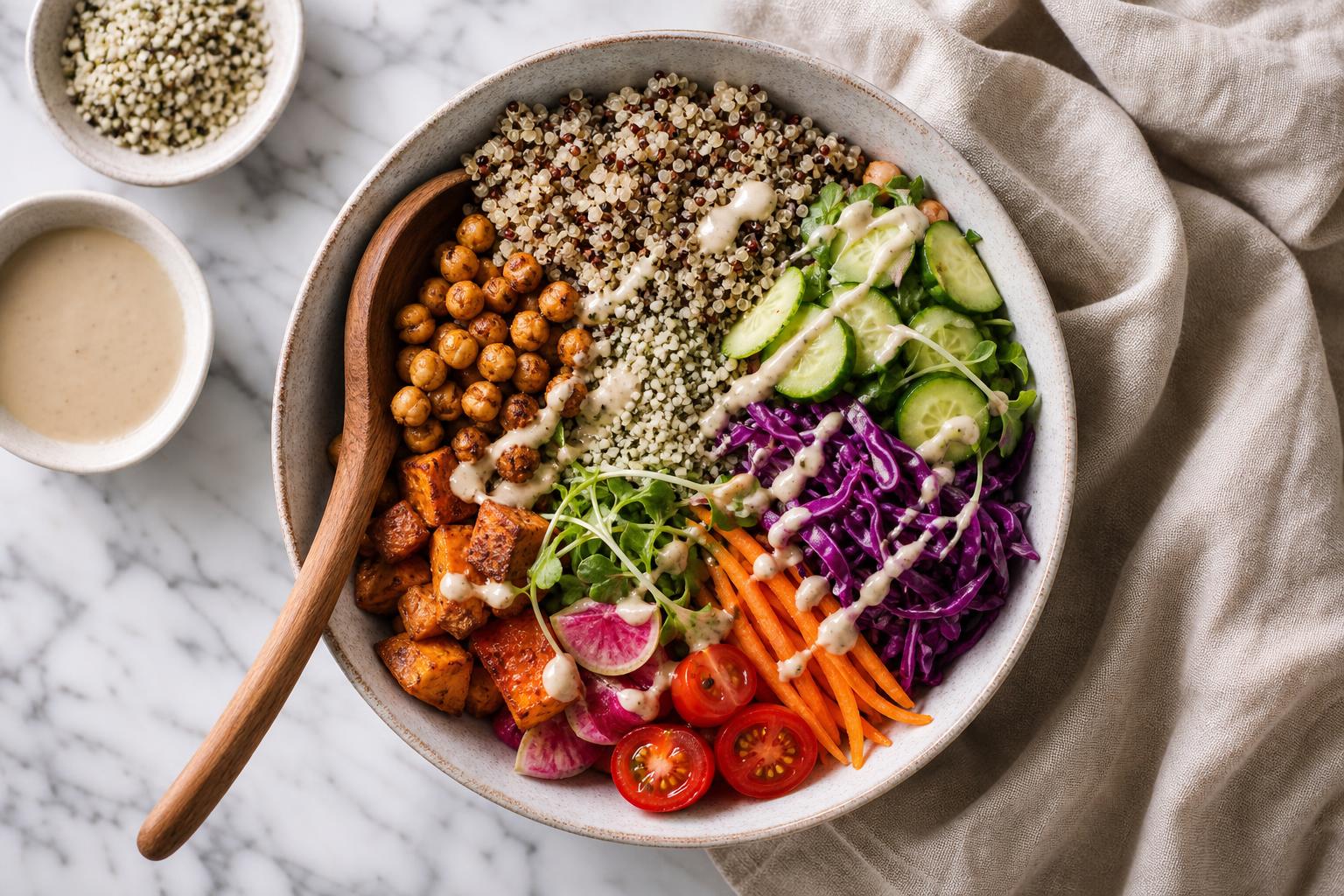
Texture variety keeps plant-based meals interesting and satisfying. Combine creamy elements like tahini or cashew cream with crunchy nuts, chewy grains, and tender legumes within single dishes. A grain bowl might feature fluffy quinoa, crispy roasted chickpeas, smooth avocado, and crunchy hemp hearts for textural contrast alongside complete nutrition.
Flavor development becomes crucial when plant proteins form your meal foundation. Many plant proteins taste relatively neutral, making them excellent vehicles for bold seasonings, marinades, and cooking methods. Nutritional yeast adds savory, cheese-like notes to dishes while boosting protein content. Miso paste, tamari, and tahini contribute umami depth that makes plant-based meals feel more substantial and satisfying.
Seasonal meal planning ensures you're getting diverse nutrients while keeping costs reasonable. Spring's fresh peas and early greens complement lighter proteins, while fall's heartier vegetables pair well with warming spices and richer plant proteins like nuts and seeds.
If meal planning around complete plant-based nutrition — balancing proteins, managing prep time, and keeping meals interesting — sounds like something you'd appreciate help with, that's exactly what MealAI does. Our AI considers your dietary preferences, cooking schedule, and ingredient preferences to suggest balanced, practical meal plans. It's free at usemealai.com.