Why Thai Food Works So Well for Meal Prep
Thai cuisine might seem like an unlikely candidate for meal prep — all those fresh herbs, delicate vegetables, and complex flavor layers. But here's what makes it surprisingly practical: many Thai dishes actually develop deeper, more integrated flavors after a day or two in the refrigerator. Curries meld and intensify, stir-fried noodles absorb their seasonings, and rice-based dishes become more cohesive.
The key lies in understanding which components hold up well to storage and which elements to add fresh. Thai cooking relies heavily on aromatic pastes, coconut milk, and sturdy vegetables — all ingredients that maintain their character when reheated. Meanwhile, delicate herbs like Thai basil and cilantro can be stored separately and added just before serving to maintain their bright, fresh impact.
Building Your Thai Meal Prep Foundation
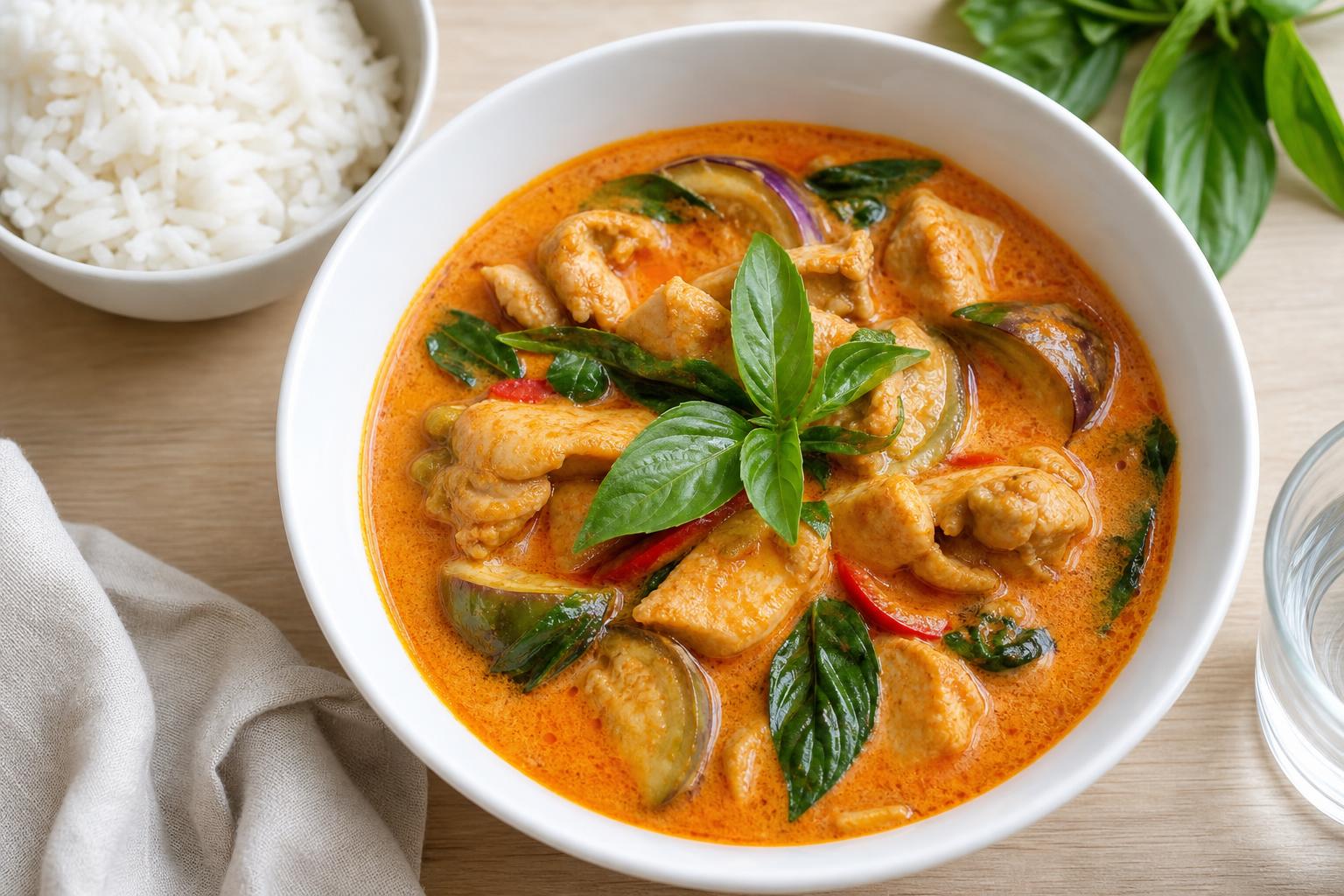
Start with curry as your anchor dish. Thai curries — whether red, green, or yellow — are essentially braises that improve with time. The coconut milk creates a rich base that reheats beautifully, while proteins like chicken thighs, beef chuck, or firm tofu hold their texture through multiple reheatings. Root vegetables like potatoes, carrots, and Thai eggplant become more flavorful as they absorb the curry sauce.
Prepare a large batch of jasmine rice using the absorption method, then portion it into containers. Day-old rice actually works better for fried rice applications, so your meal prep rice becomes an asset rather than a compromise. Cook the rice with a slightly reduced water ratio — about 1.5 cups water per cup of rice — since reheated rice tends to soften further.
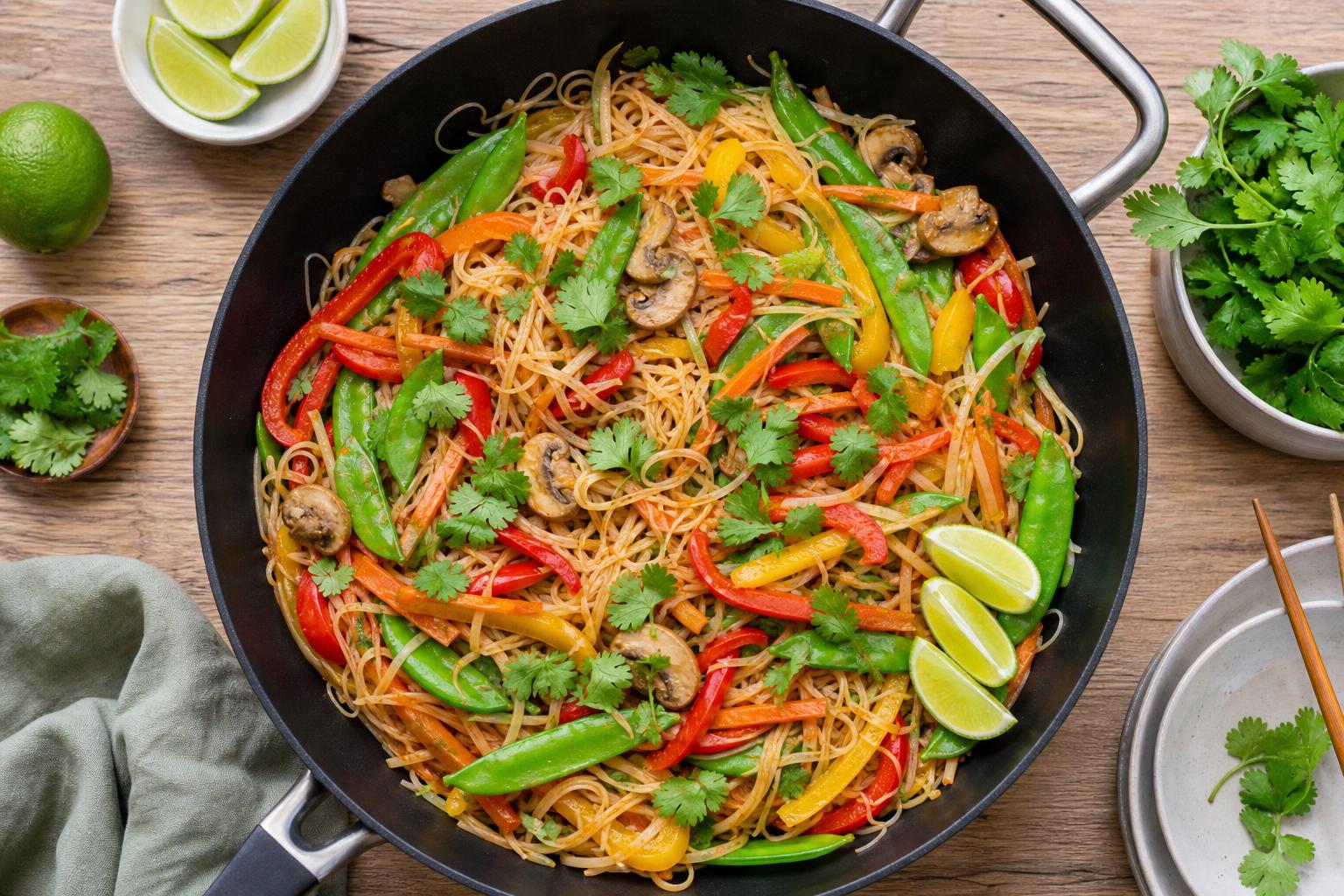
Pad thai and other stir-fried noodle dishes require a different approach. Cook the rice noodles just until they're barely tender, as they'll continue cooking slightly when reheated. The sauce components — tamarind paste, fish sauce, palm sugar, and chili — actually penetrate the noodles more thoroughly over time, creating a more cohesive dish.
Smart Storage and Assembly Techniques
Thai meal prep succeeds when you separate components strategically. Store your curry base in one container, rice in another, and fresh elements like bean sprouts, lime wedges, and herbs in separate small containers. This approach prevents soggy vegetables while ensuring you can customize each portion's freshness level.
For pad thai and similar noodle dishes, store the dressed noodles separately from crunchy elements like crushed peanuts, fresh bean sprouts, and scallions. A small container of lime wedges and a pinch of dried chili flakes can brighten each reheated portion significantly.
Herb storage makes or breaks Thai meal prep. Wash and thoroughly dry Thai basil, cilantro, and mint, then store them between damp paper towels in sealed containers. This method typically keeps herbs vibrant for 5-7 days. For longer storage, consider freezing herb pastes — blend cilantro stems, garlic, and a little oil into a paste that can be spooned into dishes throughout the week.
Reheating Without Losing Character
Thai curries reheat beautifully on the stovetop with a splash of coconut milk or water to loosen the sauce. Avoid the microwave for curries when possible — the gentle, even heat of stovetop reheating prevents the coconut milk from separating and maintains the sauce's silky texture.
Pad thai requires more attention when reheating. Add a tablespoon of water to the container and reheat in a large skillet or wok rather than the microwave. The brief re-stir-frying actually improves the dish's texture, allowing you to adjust seasoning and add fresh elements like a squeeze of lime or a sprinkle of crushed peanuts.
Soups like tom yum or tom kha can be portioned and frozen, though the texture of any coconut milk will change slightly. Reheat frozen Thai soups gently, stirring frequently, and finish with fresh herbs and a squeeze of lime to restore their bright character.
Planning Your Thai Meal Prep Week
A successful Thai meal prep rotation might include a large batch of red curry with chicken and vegetables, prepared pad thai portions, and a soup like tom kha gai. This combination gives you variety while using overlapping ingredients efficiently — coconut milk appears in both the curry and soup, while fish sauce and lime serve multiple dishes.
Consider preparing a basic Thai-style ground meat dish — larb or a simple stir-fry with holy basil — that can serve as a protein component throughout the week. Ground meat cooks quickly, reheats well, and can top rice, fill lettuce cups, or enhance noodle dishes.
Batch-cooking Thai food also means keeping certain pantry staples well-stocked: good fish sauce, coconut milk, tamarind paste, and curry pastes form the backbone of most dishes. These ingredients have long shelf lives and allow you to vary your meal prep from week to week without completely changing your shopping routine.
If meal planning around your preferences — your schedule, your spice tolerance, your favorite Thai dishes — sounds appealing, that's exactly what MealAI does. The app helps you build meal prep rotations that work with your lifestyle while keeping your weekly cooking varied and interesting. It's free at usemealai.com.