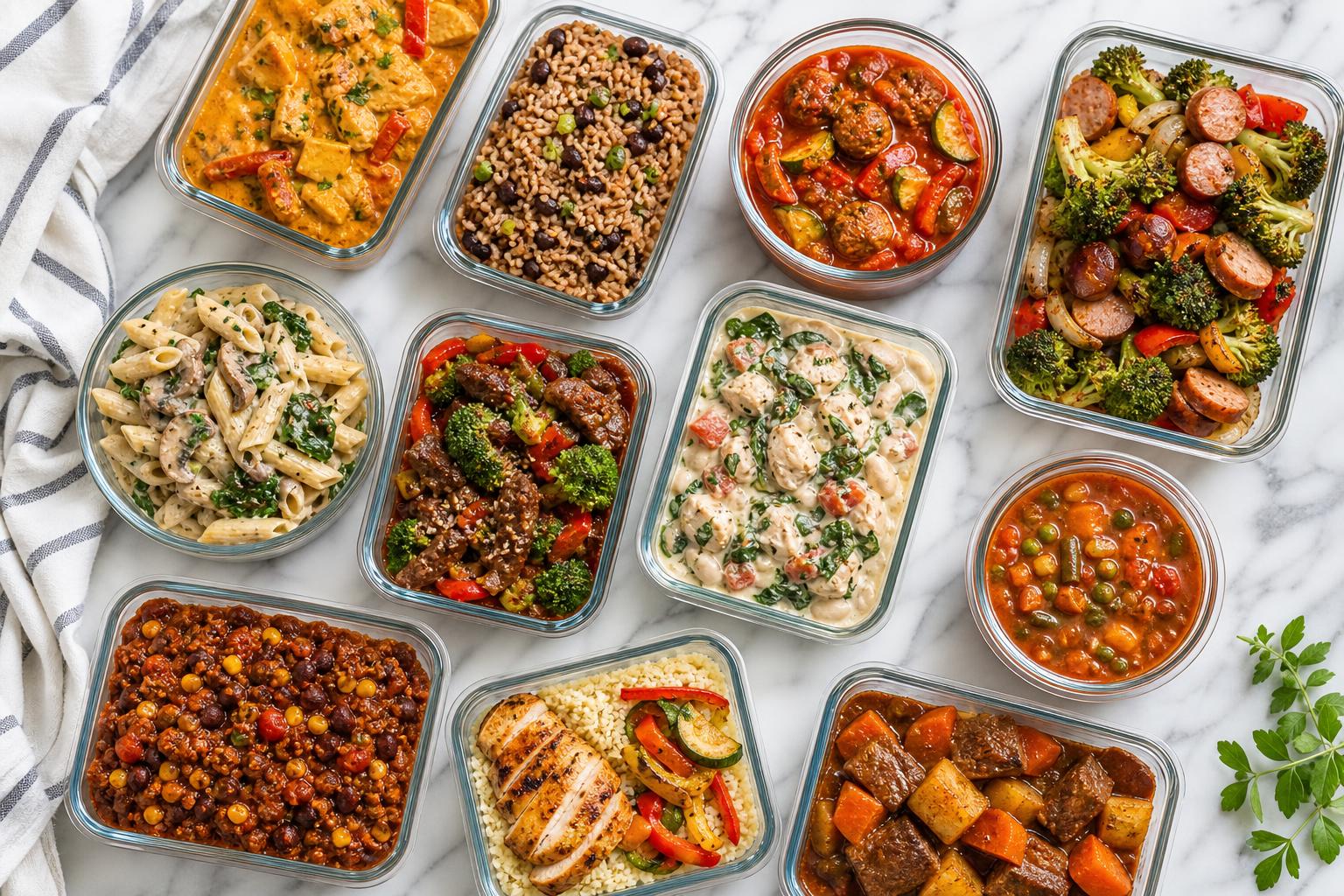
That container of leftover chicken sitting in your fridge doesn't have to become tomorrow's sad desk lunch. You can turn it into something completely different – and delicious.
The average American family throws away $1,500 worth of food every year. Most of it? Leftovers that nobody wanted to eat again. But here's what I've learned after years of experimenting in my kitchen: leftovers aren't just reheated meals. They're ingredients.
Once you start thinking about leftovers as building blocks instead of finished dishes, everything changes. That boring leftover rice becomes the base for crispy fried rice. Yesterday's roast becomes today's tacos. Your family stops groaning when you mention leftovers.
The Foundation: Think Ingredients, Not Meals
The biggest mistake people make with leftovers is trying to serve them exactly as they were. Nobody gets excited about day-three casserole, no matter how good it was on day one.
Instead, break down your leftovers into their basic components. That leftover spaghetti and meatballs? You've got protein (meatballs), starch (pasta), and sauce. Each piece can go in a completely different direction.
I keep a running list on my phone of what leftovers I have, but I write them down as ingredients. "Cooked ground beef" instead of "leftover tacos." "Roasted vegetables" instead of "Sunday's sheet pan dinner." This simple shift makes it easier to see new possibilities.
Strategy 1: The Texture Transformation
Changing how food feels in your mouth is one of the fastest ways to make it feel completely new. This works especially well with proteins and starches.
Make It Crispy
Leftover proteins almost always benefit from getting crispy. Shred that leftover chicken and pan-fry it until the edges get golden. Cube your leftover pork and sear it in a hot skillet. The texture change is so dramatic, it doesn't even taste like the same food.
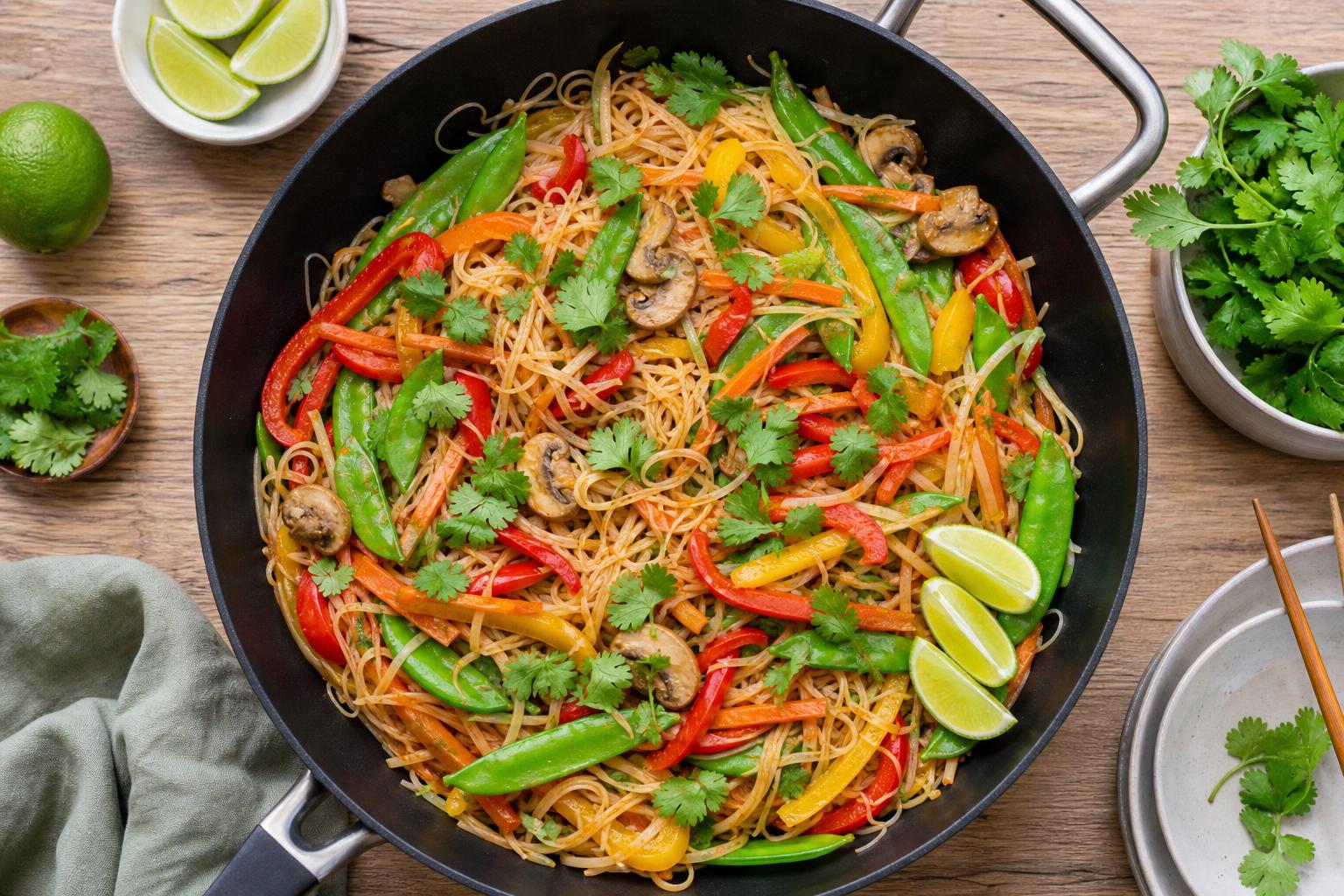
Leftover rice becomes incredible when you fry it. The grains get individual and toasty instead of soft and clumpy. Same with pasta – toss it in a skillet with some oil and let it get a little crispy on the bottom.
Make It Creamy
Go the opposite direction and turn crispy leftovers into something smooth. Blend leftover roasted vegetables into a soup. Turn leftover meat into a creamy pasta sauce or dip.
I once turned leftover grilled chicken into the most amazing chicken salad by pulsing it in the food processor with Greek yogurt, herbs, and lemon. It was completely different from the original grilled chicken dinner.
Strategy 2: The Flavor Profile Flip
This is where you can get really creative. Take your leftover protein or vegetables and completely change their cultural identity.
That leftover pot roast? Shred it and add cumin, chili powder, and lime juice – now it's Mexican. Add soy sauce, ginger, and sesame oil – now it's Asian. Toss it with Italian herbs and tomatoes – now it's Mediterranean.
The Universal Flavor Changers
- Asian direction: Soy sauce, sesame oil, ginger, garlic, rice vinegar
- Mexican direction: Cumin, chili powder, lime juice, cilantro, hot sauce
- Italian direction: Garlic, herbs (basil, oregano), tomatoes, parmesan
- Indian direction: Curry powder, garam masala, coconut milk, turmeric
- Mediterranean direction: Olive oil, lemon, herbs, olives, feta
I keep small containers of these flavor combinations premixed in my spice cabinet. When I want to transform leftovers, I just grab the flavor profile I'm craving.
Strategy 3: The Wrapper Method
When in doubt, wrap it up. Almost any leftover can become filling for something else.
Tortillas are your best friend here. Leftover everything becomes quesadillas, burritos, or wraps. But don't stop there:
- Wonton wrappers turn leftovers into dumplings or crispy cups
- Phyllo dough makes elegant leftover hand pies
- Pizza dough becomes calzones or stromboli
- Lettuce cups make fresh, light wraps
- Even bread becomes a vessel for leftover "bruschetta"
I always keep flour tortillas and wonton wrappers in my freezer specifically for leftover transformations. They thaw quickly and can handle almost any filling you throw at them.
Strategy 4: The Grain Game
Grains are leftover transformers. They stretch small amounts of leftovers into full meals and completely change the eating experience.
Fried Rice Formula
This works with any grain, not just rice. The formula is simple:
1. Fat (oil, butter) in a hot pan
2. Aromatics (onion, garlic, ginger)
3. Leftover protein and vegetables
4. Day-old grains (rice, quinoa, farro, even pasta)
5. Sauce (soy sauce, fish sauce, or whatever matches your flavor profile)
6. Fresh finish (herbs, green onions, squeeze of citrus)
I've made successful fried "rice" with leftover pasta, quinoa, even leftover bread cubes. The technique works with almost any starch.
Grain Bowls
Cold grains become the base for composed salads. Mix your leftover grains with:
- Fresh or leftover vegetables
- Leftover protein
- Nuts or seeds for crunch
- Cheese or avocado for richness
- A bright dressing to tie it together
The key is having at least one fresh element to balance the leftovers.
Strategy 5: The Soup Solution
Soup is the ultimate leftover disguise. Almost anything can become soup with the right approach.
The Basic Formula
1. Base liquid (broth, coconut milk, or even water)
2. Aromatics (sautéed onions, garlic, celery)
3. Leftover vegetables and proteins
4. Something starchy (pasta, rice, potatoes, beans)
5. Fresh herbs and seasonings
Leftover roasted vegetables make incredible pureed soups. Just sauté some onions, add the vegetables and broth, simmer, and blend. Add cream or coconut milk if you want richness.
Leftover meat works great in brothy soups. Add it at the end so it doesn't overcook and get tough.
Chili and Stew Transformations
Leftover chili becomes pasta sauce. Leftover stew becomes pot pie filling. Both can be thinned into soup or thickened into a sauce for grains or pasta.
Strategy 6: The Breakfast Flip
Breakfast foods are incredibly forgiving and can handle almost any leftover you throw at them.
Frittatas and Scrambles
Eggs will bind together almost any combination of leftover vegetables, meats, and even grains. I've made frittatas with leftover pasta, roasted vegetables, and cheese that were better than the original dinner.
The ratio is roughly 6-8 eggs to 2 cups of leftover ingredients. Sauté everything briefly to heat through, add beaten eggs, and either finish on the stovetop or in the oven.
Hash and Skillet Meals
Dice up leftover proteins and vegetables, throw them in a skillet with some potatoes (or leftover grains), and cook until crispy. Top with fried eggs and you have a completely new meal.
I use this technique constantly. Leftover vegetables become hash. Leftover meat becomes breakfast skillet. Even leftover pasta can be diced and crisped up for an unusual but delicious breakfast hash.
Strategy 7: The Sauce Transformation
Turn your leftovers into the sauce instead of the star. This works especially well with vegetables and smaller amounts of protein.
Pasta Sauce Magic
Leftover roasted vegetables blend into amazing pasta sauces. Roasted tomatoes, peppers, and onions become a chunky marinara. Roasted butternut squash becomes a creamy fall sauce.
Leftover meat can be diced small and become the protein in a pasta sauce. That leftover pork roast becomes ragù. Leftover chicken becomes a creamy pasta sauce with some broth and cream.
Dips and Spreads
Blend leftover vegetables with cream cheese, Greek yogurt, or tahini for instant dips. Leftover roasted red peppers become romesco. Leftover white beans become hummus.
These work great for parties or as healthy snacks during the week.
Planning Your Leftover Transformations
The secret to successful leftover transformation is thinking ahead. When you're cooking your original meal, consider how the leftovers might transform.
If you're roasting a chicken, think about how that leftover meat could become tacos, soup, or pasta sauce. Cook a little extra rice knowing it'll make great fried rice later.
Keep Your Pantry Stocked
Having the right ingredients on hand makes leftover transformation effortless. My leftover transformation essentials:
- Tortillas (flour and corn)
- Eggs
- Good broth (chicken and vegetable)
- Basic spices and sauce bases
- Onions and garlic
- Grains that reheat well (rice, quinoa)
- Pasta in different shapes
The 3-Day Rule
I try to transform leftovers within three days of the original meal. After that, even the best transformation techniques can't overcome tired ingredients.
But here's the thing – once you start thinking creatively about leftovers, you'll find yourself actually looking forward to the transformation meal. Sometimes I like the leftover version better than the original.
Making It Easier
If thinking through all these transformations feels overwhelming, technology can help. MealAI takes the guesswork out of leftover transformation by suggesting specific recipes based on what you actually have in your fridge. Just tell it what leftovers you're working with, and it'll give you creative ideas that fit your taste preferences and dietary needs.
The app learns what your family likes and suggests transformations that actually work for your household. No more staring into the fridge wondering what to do with that container of leftover whatever.
Food waste is expensive, both for your wallet and the environment. But more than that, throwing away good food just feels wrong when you know it could become something delicious with a little creativity.
Start with one technique that appeals to you. Maybe it's the fried rice formula or turning everything into quesadillas. Once you see how well it works, you'll naturally start experimenting with other approaches.
Your leftovers don't have to be boring repeats. They can be the start of something completely new and maybe even better than the original meal. Try it free at usemealai.com.